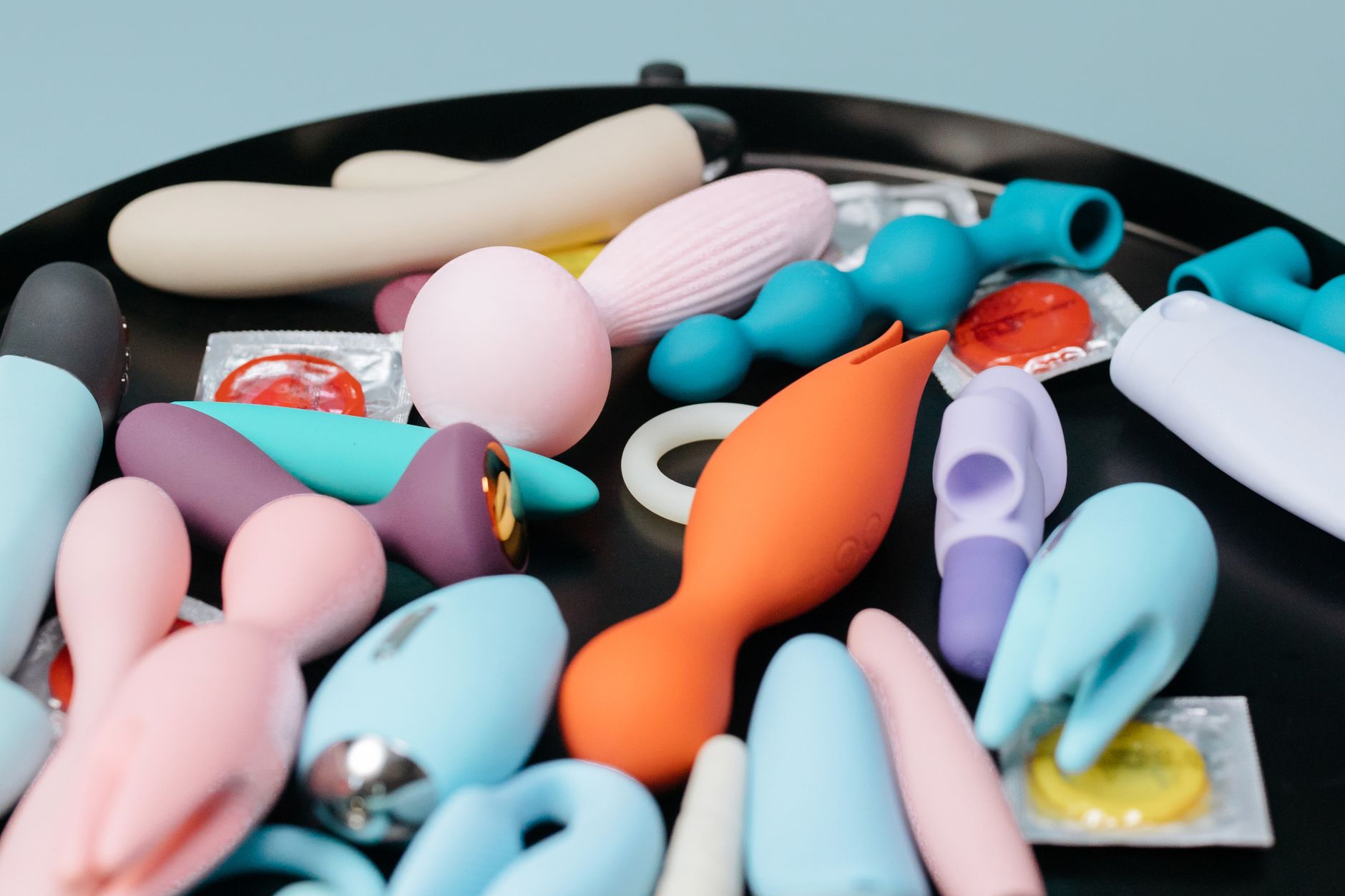
When stress kills sensation
Let's be real. When you're running on fumes, your body stops broadcasting pleasure signals. Chronic stress triggers a protective shutdown. Your nervous system tightens, your mind stays half-elsewhere, and even touch that normally feels amazing can register as just... nothing.
This isn't weakness. It's physiology. And it's reversible.
How stress actually numbs pleasure
When you're under sustained pressure, your sympathetic nervous system stays activated. That's the "fight or flight" mode. In this state, your body prioritizes survival over sensation. Blood flow redirects away from your genitals and toward your muscles and brain. Cortisol (the stress hormone) stays elevated, which suppresses dopamine and lowers sexual response overall.
Your clitoris becomes less sensitive. Arousal takes longer to build, if it builds at all. Even when you try to have sex or pleasure yourself, the signals feel distant, muted, or just absent. Many people describe it as watching themselves from outside their body.
The good news: this response is designed to be temporary. Your nervous system wants to come back online. It just needs the right conditions and a little intentional input.
Why a clitoral vibrator helps when numbness sets in
A Lem Vibrator works differently than manual touch in a stress-recovery scenario. Here's why that matters.
When your nervous system is dysregulated, it's hard to feel subtle sensations. The clitoral suction mechanism on a Lem provides consistent, rhythmic stimulation that's strong enough to break through the numbness without feeling aggressive. Unlike a traditional vibrator that relies on vibration alone, suction creates a gentle pulling sensation that activates deeper nerve clusters around the clitoris.
That consistency matters. Your brain doesn't have to work to anticipate or process the sensation. The repetition actually signals safety to your nervous system, which helps it relax back into receptivity.
During acute stress, manual touch often requires too much presence. You're thinking about whether you're doing it right, whether your partner is judging you, whether you "should" be enjoying this. A Lem removes that cognitive load. The device does the work. You just have to show up.
Starting the reconnection: where to begin
Don't jump to intensity settings 4 or 5. If you're numb, you'll chase sensation and end up frustrated.
Instead, schedule pleasure like an appointment. Pick a time when you're rested, when there are no pending work emails, when you won't be listening for your phone. Even 20 minutes of true safety signals your nervous system that pleasure is back on the menu.
Start with settings 1 or 2 on the Lem. Let yourself feel whatever is there, even if it's muted at first. The point isn't to reach orgasm. The point is to teach your body that sensation is possible again. That alone is the win.
Breathe deliberately. Stress-numbing comes with shallow breathing. Once you're on the Lem, practice breathing into your belly. This activates your parasympathetic nervous system (the rest-and-digest response). As that system wakes up, sensation naturally follows.
The mindset shift that makes reconnection real
You'll be tempted to judge the experience. "This should feel better." "I used to enjoy this more." "What if I can't get back to where I was."
Stop. Comparison is the enemy of recovery.
Instead, think of this as retraining. Your nervous system learned to stay guarded. It needs to relearn that pleasure is safe. That takes repetition, patience, and zero pressure.
If numbness persists even with consistent use of your Lem, that's not a device problem. That's a signal that your stress levels need attention. Consider whether you need to renegotiate work boundaries, talk to a therapist about anxiety, or examine what's actually driving the chronic activation. Sometimes reconnecting with pleasure requires fixing the stressor first.
Using a Lem with a partner when stress has killed desire
If you have a partner, this conversation needs to happen outside the bedroom first.
"I've been so stressed that pleasure has felt numb. I'm starting to reconnect using my Lem, and I'm being patient with myself. I might ask you to just be present while I do this, with no expectation of anything more." That clarity prevents resentment on both sides.
Partners often interpret numbness as rejection. They take it personally. Setting expectations early prevents that spiral. If your partner is curious, they can be present. They can watch, touch you non-genitally, or simply be in the room. But the initial reconnection work is yours. This is about your nervous system learning to feel again, not about meeting someone else's needs.
As sensation returns, you can gradually expand to partnered pleasure. But rushing that creates pressure, and pressure is the opposite of what your stressed nervous system needs.
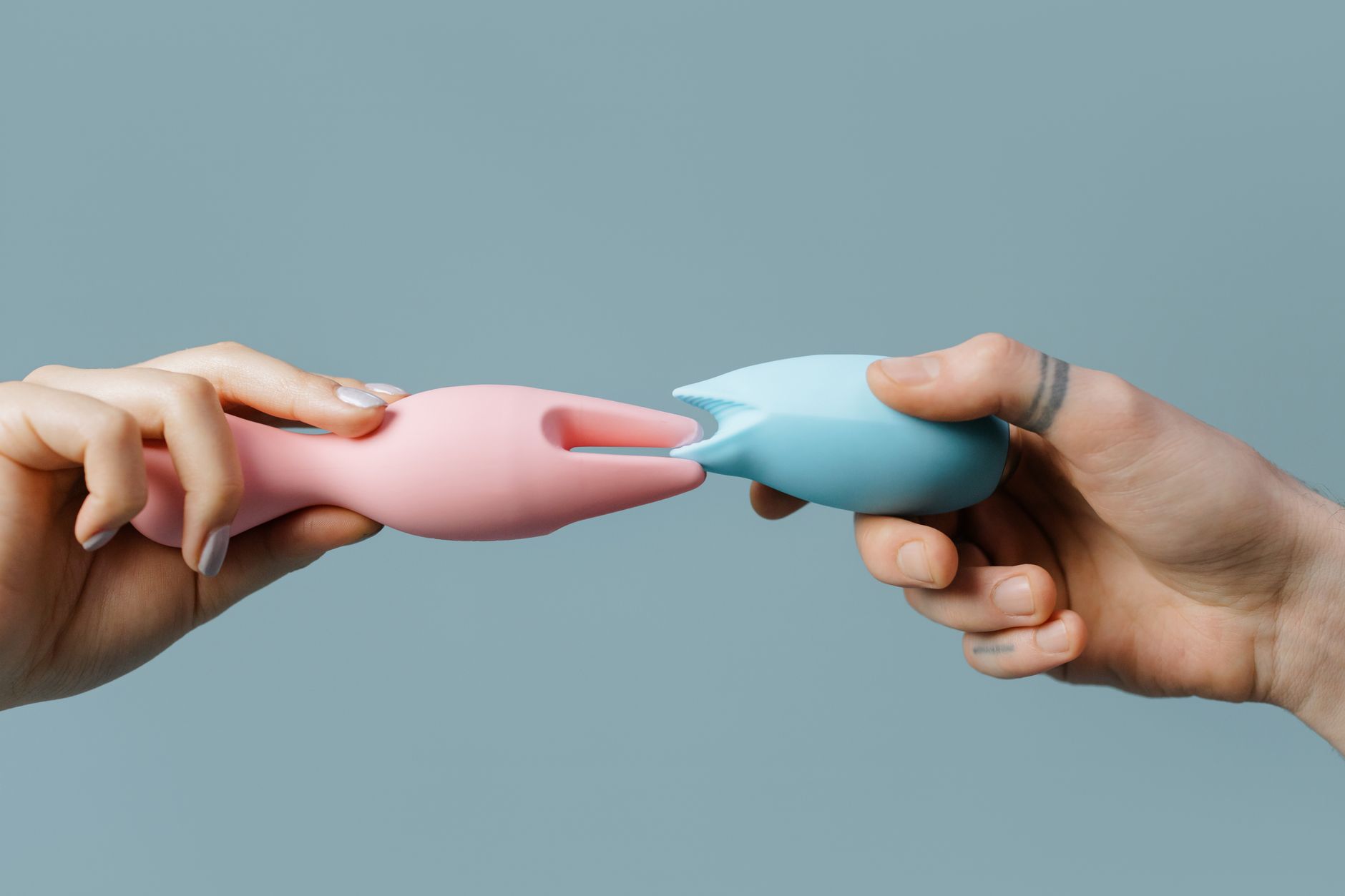
Photo by cottonbro studio on Pexels
How long until sensation returns
This varies. Some people feel a shift within days. Others take weeks. Stress-induced numbness is usually more stubborn than other pleasure blocks because it's rooted in systemic dysregulation, not just a single barrier.
What matters is consistency, not intensity. Using your Lem three times a week for two weeks, on settings 1-2, will do more for reconnection than one desperate session at setting 5.
Keep a mental note of small changes. "That felt a little stronger today." "I noticed a tiny spark on setting 2." "I was more present this time." These small wins are real. Your nervous system is logging them.
If you notice improvement, great. Keep going. If numbness is still complete after four weeks of consistent practice, it's time to talk to a healthcare provider. Sometimes stress-induced sexual dysfunction links to depression or anxiety disorders that benefit from treatment beyond self-pleasure.
The everyday habits that support reconnection
Your Lem is a tool, but the real work happens in your nervous system's daily environment.
Reduce cortisol load where you can. This might mean turning off work email after 6 p.m., saying no to one commitment, or blocking 20 minutes for a walk. Your body can't feel pleasure when it's convinced there's still a threat nearby.
Move your body. Exercise (even a 15-minute walk) resets cortisol, boosts dopamine, and gets blood flowing to your genitals. This primes your system for pleasure.
Sleep. Real sleep. Numbness deepens when you're exhausted. Your nervous system can't process sensation when it's running on empty.
Touch that isn't about sex. Hold your partner's hand. Get a massage. Take a long shower. Your nervous system needs to remember that touch is safe and present. This background work makes your Lem sessions much more effective.
People also ask
Can stress permanently damage my ability to feel pleasure?
No. The nervous system is plastic. It can rewire itself. What stress damages, rest and consistency can repair. The timeline depends on how long you've been under stress and how deeply your system learned to stay guarded. But reconnection is always possible.
Should I use my Lem every day when trying to recover sensation?
Not necessarily. Three to four times weekly is usually ideal. Daily use can become another form of pressure if you're chasing a specific outcome. Keep it pleasurable, not dutiful.
What if my partner is also stressed and numb?
This is common in couples under shared pressure. The good news: you don't have to fix this together first. Each person reconnects on their own timeline. As one partner begins to feel again, it often creates permission for the other to slow down and reconnect too.
Can numbness come back if stress returns?
Yes. But you'll recognize it faster next time, and you'll know what to do. Stress-induced numbness is less about broken wiring and more about a temporary shutdown. Once you've recovered once, recovery the second time is usually faster.
Is it normal to feel frustrated or sad during reconnection?
Completely normal. You're remembering what pleasure felt like and grieving the time it was missing. That's emotional work, and it's part of healing. Cry if you need to. Your Lem can sit idle that day. Reconnection isn't linear.
What if I try my Lem and feel nothing, and it makes me more anxious?
Stop. Pressure creates more numbness. Instead, try sitting with your Lem nearby, fully clothed, just noticing it exists. Let your nervous system acclimate to the idea of pleasure without demanding feeling right now. Sometimes the approach has to be slower than you'd like.
The bridge back
Stress-numbing feels permanent while it's happening. It isn't. Your nervous system is designed to come back online, and tools like a Lem Vibrator can accelerate that reconnection when you approach it with patience and consistency.
Start low, show up regularly, and be kind to yourself. Your pleasure matters, and it's worth the time to recover it.
If you're ready to start, or if numbness persists beyond four weeks of consistent practice, reach out. We can discuss what's happening and what might help next. Get in touch at /contact.