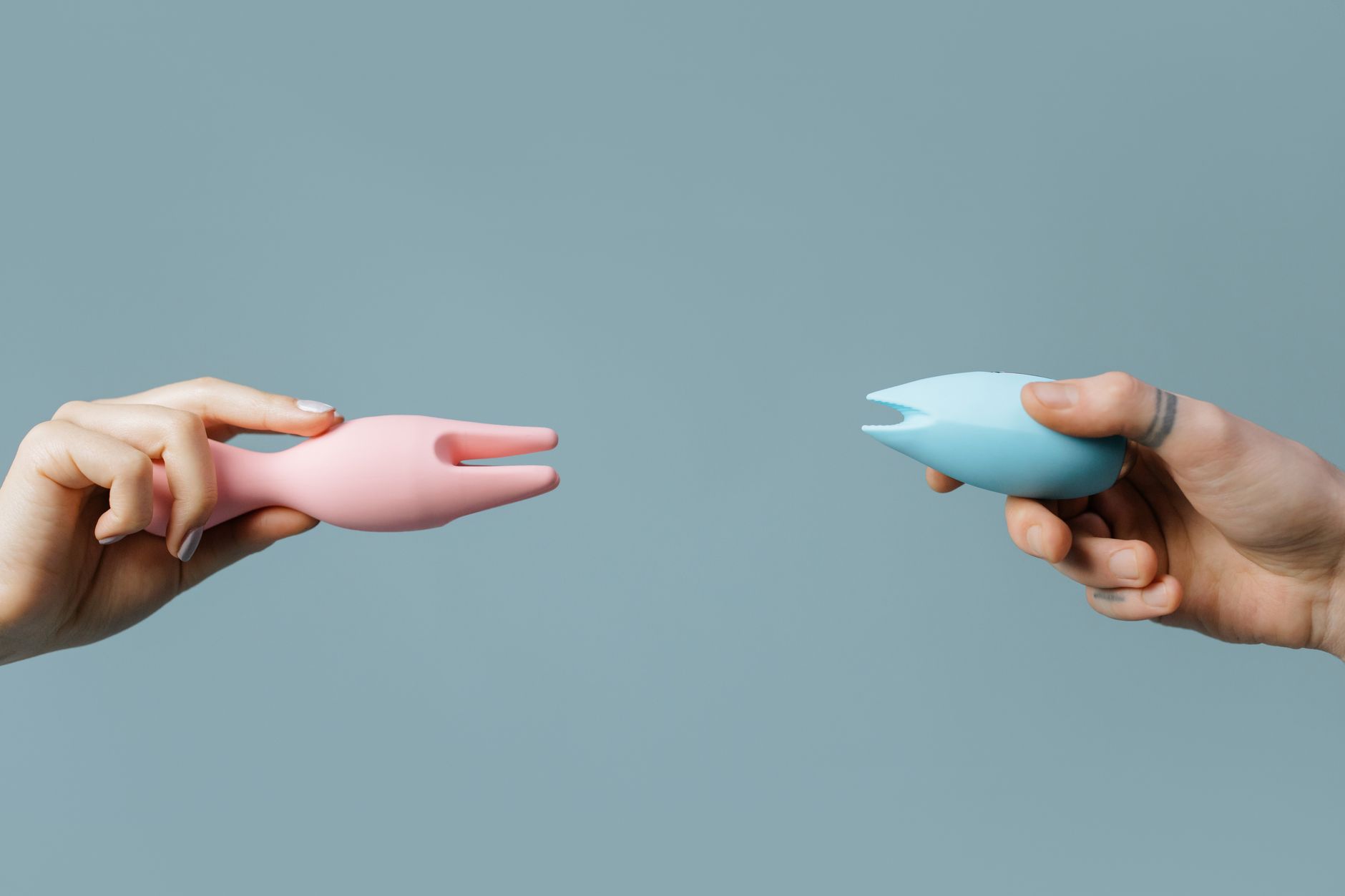
The conversation that never happens
Here's the thing: most partners who are nervous about vibrators aren't actually nervous about vibrators. They're nervous about what they think the vibrator means. That you're unsatisfied. That they're not enough. That pleasure is something they've failed to deliver, and now there's a device proving it.
None of that is true. But the fear lives in the gap between what's real and what they've been taught to believe about desire, adequacy, and their role in your pleasure.
I've worked with dozens of couples where one partner wanted to introduce a Lem vibrator and the other froze. The ones who made it work didn't ease in with a toy. They started with a conversation. And not the conversation you think.
Why the standard pitch fails
Most people lead with reassurance. "It's not about you." "I still love you." "It's just for fun." This backfires spectacularly because it sounds defensive. It sounds like you're trying to convince them you're not doing something you know is wrong.
Instead, I recommend a radical shift: lead with curiosity, not explanation.
"I've been thinking about exploring this together because I want to understand my own pleasure better. I want you to be part of that. Would you be interested in figuring this out with me?" That's an invitation, not a justification. There's a difference.
The second mistake is introducing the lemon clitoral vibrator in the bedroom on a night you want it to work. Pressure + novelty + unresolved anxiety equals disaster. Have this conversation clothed, in the kitchen, on a Sunday afternoon. Make it boring. Make it normal.
The three things a nervous partner actually needs to hear
One: this is about us, not about what you're missing. A Lem vibrator isn't a substitute for you. It's a different sensation than fingers, tongue, or a penis. Your job isn't to make every sensation happen. Your job is to be present while pleasure happens. That's actually hotter, and it's definitely different.
Two: you get to set the pace. If you want to watch first and touch later, that's fine. If you want to use it on yourself while they're inside you, or if you want them to hold it, or if you want to start with them just sitting next to you while you explore. Autonomy dissolves anxiety.
Three: this might feel awkward at first, and that's okay. The first time you use a lem vibrator together isn't going to be a movie scene. It might be slightly embarrassing. You might laugh. That's normal. Permission to feel weird makes weird way less scary.
The setup that actually works
Start without the vibrator present. Have the conversation. Let them ask questions. Admit what you're looking for: stronger sensation, consistency, something your bodies can't do alone. Be specific, but not in a way that sounds like criticism of them.
Next step: show them the Lem when you're not about to use it. Let them hold it, feel the weight, understand it's a thing that exists and isn't scary. Read the pattern guide together. This sounds clinical, but it removes mystery. Mystery feeds anxiety.
Then, plan a time to try it. Not spontaneously on a random Wednesday. Pick a day where you're both relaxed, not tired, not stressed about work. Lower stakes than you'd think: tell them you might use it solo while they're in the room. That's not rejection. That's research.
What to actually do the first time
Start with a lot of buildup. Kissing, touching, the usual. Get them involved in your arousal, so the vibrator isn't the first surprise. Once you're genuinely turned on, show them where you're going to use it. "This part, here." Matter of fact. Not theatrical.
Turn it on at the lowest pattern. They need to hear what it sounds like and see what happens. Most partners' anxiety drops immediately when they realize it's not that intense and you're not about to levitate off the bed.
Let them watch for a minute. Then invite them back in. "Come touch me here while I use this." Their hand on your inner thigh, your shoulder, your face. Something that keeps them physically present and involved. This is the part where a lot of partners relax because they realize they're not being replaced. They're just... there differently.
When they want to hold it
If they ask to hold the Lem, that's a huge green light. Let them. Guide their hand. "A little higher. Slower. More pressure." You're directing, they're executing. For some people, this resolves all the anxiety because now they have agency and skill and they're literally making you feel good.
This is also where something unexpected happens: lots of partners discover they like the control. They like being able to watch your face while something is making you feel good. It's vulnerable, sure. But it's also intimate in a way that penetration sometimes isn't.
The conversation after
Don't leave this in the "we did a thing" void. Talk about it. "That felt good." "I liked watching you." "Can we do that again?" Feedback isn't criticism. It's information.
If they seemed uncomfortable, ask why. Not defensively. Genuinely. "Was the sound weird?" "Did you feel left out?" "Did you want more or less involvement?" You can adjust. Every couple's version of this is different, and that's fine.
If they loved it, say so. "I really liked that you were holding it. It made me feel less alone in it." Specificity matters because it tells them exactly what worked, which builds confidence for next time.
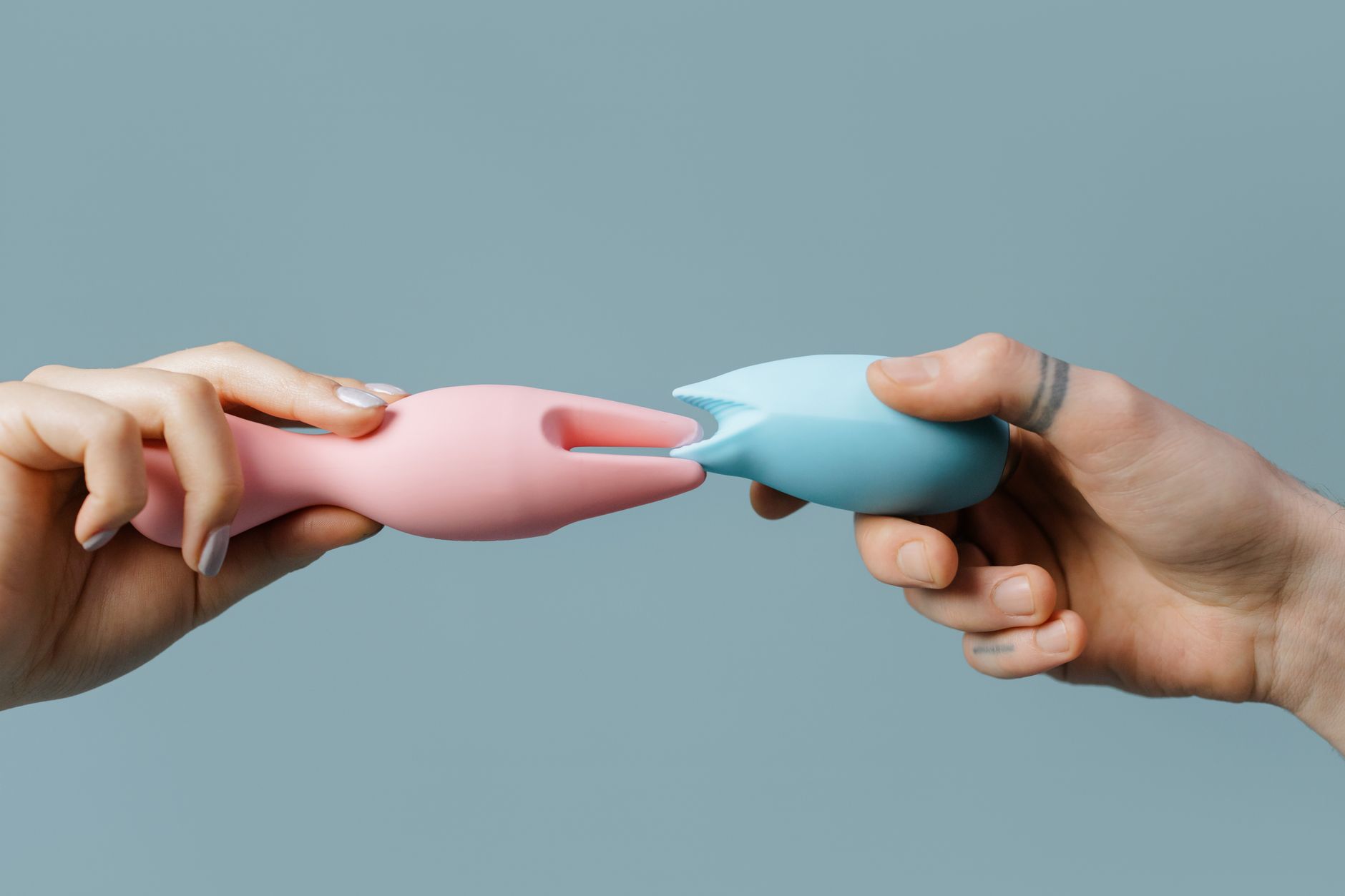
Photo by cottonbro studio on Pexels
The shame layer (what's really going on)
Here's the deeper thing I see in my practice: most partners who are nervous about vibrators grew up in environments where female pleasure wasn't supposed to be obvious or independent or device-enabled. Real desire, in that framework, just happens. It's spontaneous. It doesn't require tools.
A vibrator makes pleasure visible and intentional. It says: I know what I want, I'm willing to ask for it, and I'm not waiting for it to happen to me. That's genuinely radical to a lot of people. And some partners experience that as a threat to their role, which is really a threat to their identity.
If your partner is genuinely struggling, it might help to name that. "I don't think this means anything is wrong with us. I think it means I'm learning about myself, and I want you there while that happens." That's not a negotiation. It's a reckoning with what they actually believe about your body and your agency.
Sometimes they need to sit with that discomfort for a bit. That's okay. You're not responsible for making them feel better about your pleasure.
Making it a habit, not a one-off
Once you've used a Lem vibrator together once and it didn't destroy anything, use it again. Soon. The second time is easier. The third time is normal. By the fifth time, it's just part of your toolkit, and most of the anxiety dissolves because it's not novel anymore.
If you want to deepen the experience, try using lemon clitoral vibrators during partnered sex. Some couples find that a vibrator in the mix means they can last longer, or they can focus on different sensations, or penetration becomes optional rather than mandatory. Lots of different doors open once you stop treating the vibrator as a novelty.
A few partners even discover they like the sensations so much they ask about using the vibrator together more often. That's not your fault. That's just what happens when pleasure becomes mutual and uncomplicated.
The actual timeline
Conversation day one: a few minutes, relaxed, no bedroom involved. Information exchange. They ask questions. You answer.
Introduction day two or three: they see and handle the actual Lem vibrator. You show them how it works. This takes five minutes tops.
First use: pick a day when you're both relaxed. Set aside time. Don't rush. Plan for 20-30 minutes of foreplay before the vibrator even appears. Use it solo first while they're present. Then invite them back in.
Second use: happens within the next week or two. By now, the shock is gone. You can both relax a bit more.
Integration: after three or four times, it's just another tool. The anxiety that existed before gets replaced with competence and familiarity.
This timeline isn't rigid. Some couples move faster. Some move slower. But spreading it out over a few days or weeks instead of trying to make it happen on one night dramatically increases the chance that a nervous partner will feel safe enough to actually enjoy it.
When it's still not working
If you've had the conversation, shown them the toy, tried it once or twice, and they're still shutting down, that's a sign of something deeper. It might be shame. It might be a real divergence in how you each think about desire. It might be that they're genuinely not ready for this kind of change.
At that point, how to use a lem vibrator when partners have different pleasure styles becomes a real conversation. Not about the vibrator anymore. About what the vibrator represents to them, and whether you're actually compatible around pleasure and autonomy.
That's harder work than introducing a lemon clitoral vibrator. But it's necessary work, and it's better to do it now than to hide the tool in the back of a drawer and resent each other quietly.
The gift of being brave
Using a Lem vibrator with a partner who's nervous about it requires courage. Not because the toy is intimidating, but because you have to be willing to own your pleasure in front of someone who might judge it. You have to say out loud: I want this, and I want you here.
That's not selfish. That's honest. And a lot of partners, once they get over the initial fear, find that honesty is actually the most intimate thing you can share.
People also ask
How do I bring up vibrators without my partner feeling insulted?
Don't lead with "I want more sensation." Lead with curiosity. "I want to explore what feels good together." The second approach invites collaboration. The first can read like criticism, even if that's not the intent. Frame it as a thing you both get to discover, not a fix for something missing.
Is it normal for my partner to want to hold the vibrator?
Completely. In fact, it's a positive sign. If they're interested in holding a Lem clitoral vibrator and directing it, they're not anxious anymore. They're engaged. That's when the real pleasure and intimacy can start.
What if my partner wants to use a vibrator on themselves too?
That's great. You've just opened a door to mutual exploration. Start with him or her (or however they identify) showing you what feels good for them. Watching your partner experience pleasure is genuinely sexy for a lot of people, and it takes pressure off the performance dynamic that makes some partners so nervous in the first place.
Can we use a vibrator during penetrative sex?
Yes. Lots of couples do. The vibrator can stimulate the clitoris while penetration happens, which gives you sensations that aren't possible with fingers or a penis alone. Some people find this is the gateway that makes a nervous partner finally relax, because it becomes clear the vibrator isn't replacing penetration. It's happening alongside it.
My partner says a vibrator feels like cheating. How do I respond?
That's a belief, not a fact. You could challenge it, but that usually makes people defensive. Instead, ask: "Cheating on what? Me? Yourself?" Get curious. What does cheating mean to them? A vibrator is a tool. It's not infidelity, deception, or betrayal. If they believe it is, that's worth exploring separately, possibly with a therapist, because that belief will show up in other parts of your relationship too.
How often should we use the vibrator if my partner is still nervous?
Regularly enough that it becomes normal, not special. If you use it once every few months, it stays weird. If you use it every other week, it becomes part of your sexual routine and the novelty anxiety fades. After six or seven times, most nervous partners have relaxed significantly.
The takeaway
Introducing a Lem vibrator to a nervous partner isn't about convincing them that the toy is fine. It's about helping them understand that your pleasure, your autonomy, and your curiosity are fine. Once they believe that, the vibrator is just a tool. A really good one.
If you're ready to explore this together and want to figure out the best approach for your specific situation, let's talk. Relationship navigation is exactly what I do.