Let's start with the actual science
Here's what nobody tells you: clitoral pleasure is not foreplay. It's not a warm-up act. It's the main event, and it can be the most intense, satisfying sex of your life. The clitoris has 8,000 nerve endings concentrated in a space the size of a pea. Penetration doesn't activate most of them. Clitoral stimulation does.
That's not me being cute. That's anatomy.
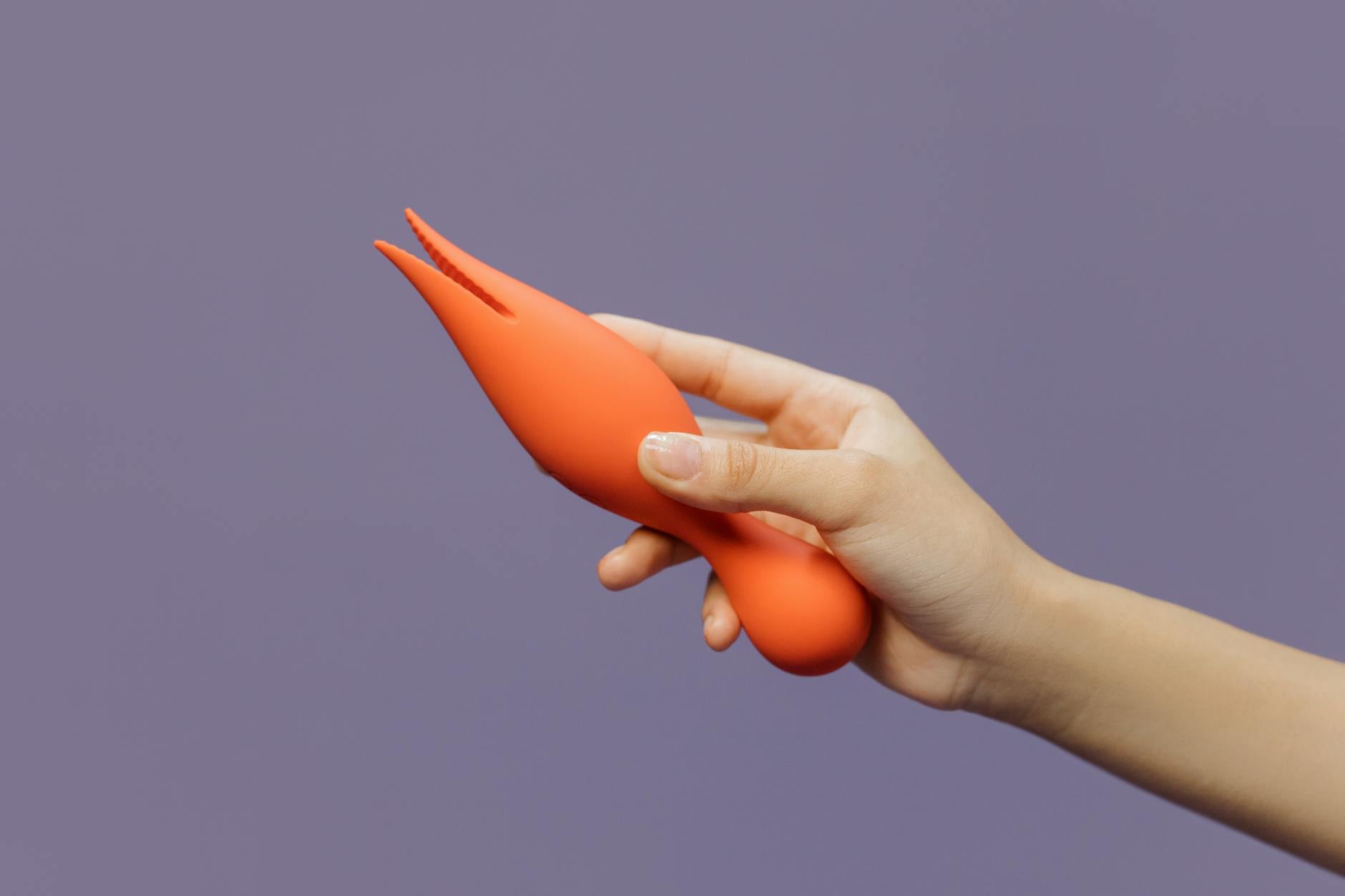
When you're using a lemon clitoral vibrator like the Lem, you're engaging nerves that send direct signals to the pleasure centers in your brain. You're not waiting for arousal to build through indirect stimulation. You're going straight to the source.
Why penetration-free pleasure changes everything
There are real reasons people skip penetration and focus on clitoral stimulation. Some come down to bodies. Some come down to preference. All of them are valid.
Maybe penetration causes pain. Maybe you're recovering from something and need to rebuild sensation slowly. Maybe your partner and you have different bodies and rhythms, and clitoral focus is the thing that actually works for both of you. Maybe you're single and you've never explored your own pleasure without the pressure of someone else's timeline. Maybe you just like it better. All of these are reasons.
The key insight: pleasure without penetration is not a compromise. It's not Plan B. It's a completely different conversation.

Photo by Diana ✨ on Pexels
Getting familiar with your own anatomy
Before you pick up a lemon vibrator, spend time learning your own geography. This sounds obvious, but most people skip it. They go straight to external stimulation without understanding what feels good where.
The clitoris has visible and hidden parts. The visible part, the glans, sits at the apex of the labia. The clitoral body extends internal, forking into two arms. Some people find the most intense sensation on the glans itself. Others prefer the sides of the clitoris or the area just above it. Some people get more pleasure from the upper hood area. Only you know.
Spend a few minutes with your hands first. No pressure. Just curiosity. Where does light touch feel best? Where does more pressure feel good? Does consistent stimulation in one spot build sensation, or do you need variety? Does rhythm matter, or can random touch work? These answers are yours alone.
Choosing the right pattern and intensity
The Lem vibrator has seven patterns and adjustable intensity. It's tempting to jump straight to the highest settings. Don't.
Start at Pattern 1, the lowest steady vibration. Place it gently against your clitoris, not pressing down, just resting. Let your body respond. You might feel a subtle buzz travel through your nervous system. You might feel nothing yet. Both are normal.
Give it two to three minutes at Pattern 1. Then move to Pattern 2. Notice if the rhythm feels different. Does one pattern create a wave of sensation? Does another feel scattered? Stay with whatever feels most interesting.
Once you've found a pattern you like, stay with it for a while. Building sensation is not about constant novelty. It's about consistency. Your nervous system needs time to ramp up. Most people reach orgasm faster by finding one pattern that works and staying with it for five to fifteen minutes than by switching around every thirty seconds.
Finding your rhythm, not the vibrator's
This matters more than you'd think. The vibrator has its own rhythm. You have your own. They don't always match.
Try this: stay with one pattern, but add your own movement. Rock your hips slightly. Press and release. Move the vibrator in small circles. The combination of the vibrator's rhythm plus your movement creates a new pattern altogether. Some people find that this hybrid approach builds sensation way faster than the vibrator alone.
Others prefer to keep the vibrator still and focus on their own body's response. There's no right way. But most people report that adding intentional movement, whether it's your body or the vibrator moving, deepens the experience.
Building sensation without rushing
One of the biggest mistakes people make is staying at low intensity for thirty seconds, then jumping to Pattern 7 because nothing's happening yet. Then nothing still happens because their nervous system never had time to wake up.
Clitoral stimulation builds in waves. The first wave is usually subtle. Three to five minutes in, you might feel a shift. Sensation starts to concentrate. The clitoris may swell slightly as blood flows in. Ten minutes in, you might feel a pull, a deeper kind of sensation. Fifteen minutes in, you might be on the edge.
This timeline is completely individual. You might climax in two minutes. You might need thirty. The point is that sensation builds when you give it space to.
If you're not feeling much after five minutes, it's not because the vibrator doesn't work or because something's wrong with you. It usually means one of three things: your pressure is too light, your pressure is too heavy, or your mind is somewhere else.
When your partner is involved
Using a lemon clitoral vibrator with a partner opens up different possibilities. You can use it while they're inside you. You can use it while you're inside them. You can use it while you're not touching at all. You can use it while they watch, while you're both hands-on, or while you're focused on your own pleasure and they're doing something else entirely.
The conversation to have beforehand is simple: what's the fantasy here? Are you trying to reach orgasm faster? Trying to build intensity during sex? Trying to come while they watch? Trying to add sensation to something you're already doing? Each of these has a different rhythm and positioning.
One thing I see work really well: if penetration is part of what you want, clitoral stimulation can happen at the same time. This creates a feedback loop. The sensation from the vibrator builds arousal. The arousal makes everything feel more intense. Some people report that combining clitoral vibration with penetration creates the most powerful orgasms of their life.
Others find that adding penetration during clitoral stimulation is too much, creates numbness, or feels overwhelming. Again. Only you know.
The mental side of pleasure
Technique only goes so far. Your brain is the actual pleasure center.
If you're distracted, checking your phone, worrying about time, wondering if you're taking too long, whether you should come by now, whether this is normal, none of the physical setup matters. Your nervous system stays in the thinking zone instead of the sensation zone.
This is where intentionality comes in. Before you pick up the vibrator, clear some time. Not in a rigid, scheduled way. Just decide that the next twenty minutes are yours. Put the phone in another room. Dim the lights if that helps. Put on music or keep it quiet, whatever makes your brain settle.
Then let your only job be noticing. Not performing. Not achieving. Just noticing what each sensation feels like. That shift in your nervous system, from doing to noticing, is where the real pleasure starts.
Common questions people actually have
How long should a clitoral orgasm take?
Anywhere from ninety seconds to thirty minutes. Some people have quick, intense orgasms from clitoral stimulation. Others build slowly and need a longer runway. Neither is better. Your timeline is your timeline.
Can I use a Lem vibrator if I'm very sensitive?
Absolutely. The Lem's lowest settings are genuinely gentle. If you're extremely sensitive, try stimulating the area around the clitoris rather than the glans itself. The tissue around the clitoris has sensation but less intensity. You can also layer a thin fabric between the vibrator and your skin, which softens the sensation without killing the effect.
What if I can't orgasm from clitoral stimulation alone?
That's not uncommon. Some people need multiple types of stimulation happening at once. Some need a specific mental state. Some need movement or rhythm that feels human, not mechanical. All of those are fine. A Lem vibrator can be part of your pleasure even if it's not the only thing that gets you there.
Is it normal to prefer clitoral stimulation over penetration?
Yes. Studies show that most people with vulvas reach orgasm more reliably through clitoral stimulation than penetration. Preferring it isn't unusual or broken. It's just how your body works.
Can I use lube with the Lem vibrator?
Yes. Water-based lube works best. A small amount creates a smoother sensation and can actually reduce overstimulation if you're sensitive. Silicone-based lubes can damage silicone toys, so skip those.
How do I know if I'm using it wrong?
If it's causing pain, you're pressing too hard. If you feel numb after a few minutes, try lighter pressure or a different pattern. If it just feels meh, try adding your own movement or giving it more time. There's no wrong way as long as it feels good and you're not in pain.
The bigger picture
Using a lemon clitoral vibrator when you want pleasure without penetration is about honoring what actually works for your body. It's about separating the idea that sex must look a certain way from the reality of what creates genuine pleasure for you.
Clitoral stimulation is complete. It's not a stepping stone to something else. It's not foreplay. It's sex. And it deserves your full attention, your partner's respect, and exactly the kind of focused pleasure that something like a Lem vibrator can help you build.
If you're curious about exploring this more intentionally, the guide on how to use a Lem vibrator when you need clitoral stimulation without penetration goes deeper into positioning and solo techniques.
Your pleasure matters. The way your specific body builds sensation matters. And you deserve tools that respect both. Start slow, stay curious, and let your body tell you what it needs.