Here's what actually happens when hormones shift
Let's be real. Hormonal changes mess with sensation. They don't kill it, but they absolutely reroute it. Estrogen drops, tissue thins, arousal takes longer to build, and that electric feeling you used to get from light touch? It might vanish for a while. Then there's testosterone, the quiet co-star nobody talks about. When that dips, desire itself becomes harder to access. Your body doesn't feel broken. It just feels foreign.
The thing nobody tells you clearly is this: that foreignness is temporary, and it's absolutely recoverable. Not with willpower or communication or therapy alone, though those help. But with the right tools and information about how your nervous system actually works, you can rebuild sensation that feels as good as before, and sometimes better.
Why sensation changes, and why it's not your fault
Your clitoris has roughly 8,000 nerve endings. Estrogen supports the health of the tissue around those nerves. When estrogen drops, that tissue thins slightly. The blood flow that fed arousal slows. The pelvic floor loses some of its tonal support. Neurologically, your brain still has the same capacity for pleasure. Your nervous system just needs different input to reach the same outcome.
Think of it like this. Your phone's volume button still works. But the speaker is a bit quieter. You don't need a new phone. You need to turn it up further.
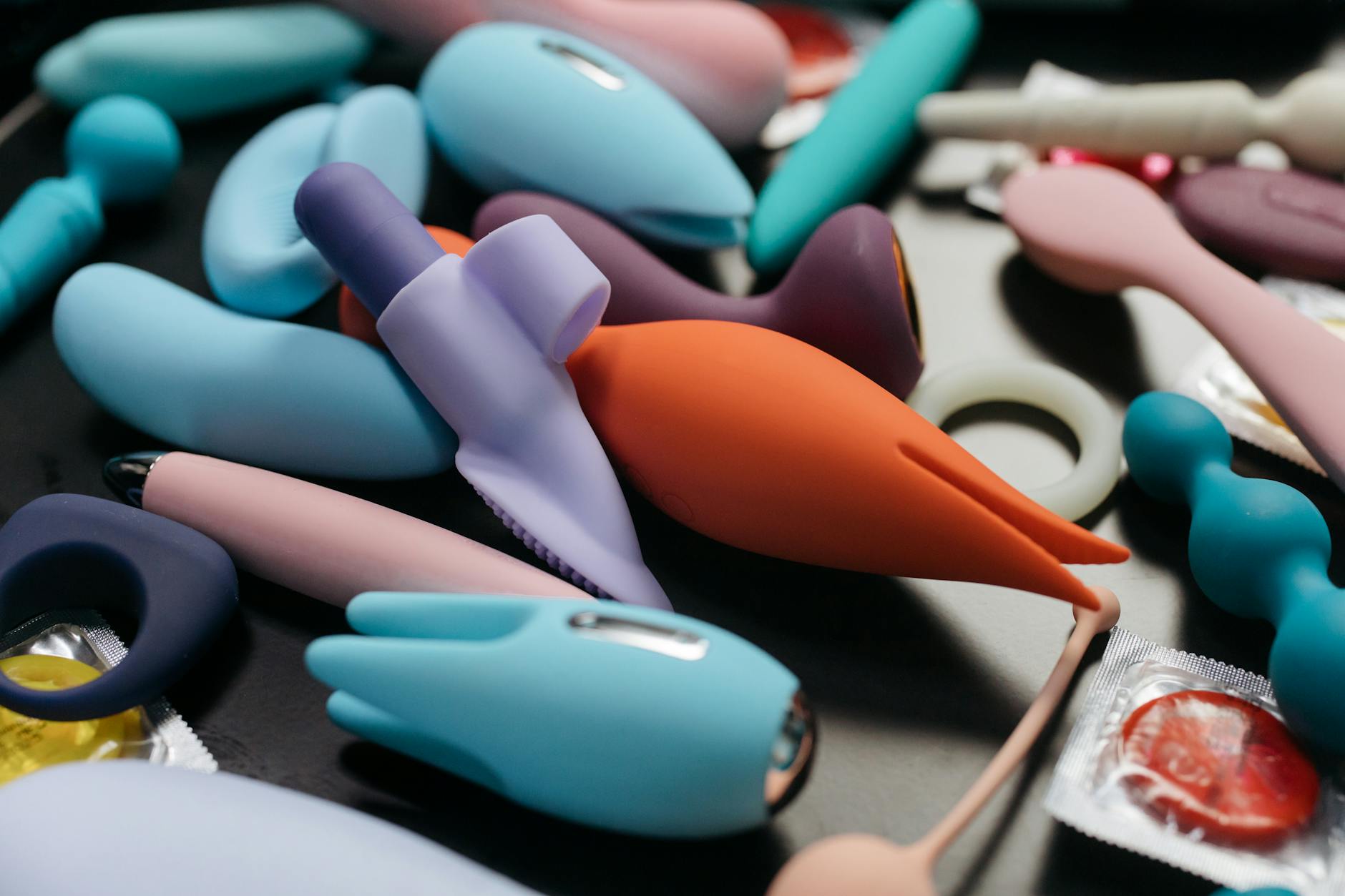
A lemon clitoral vibrator like the Lem works specifically because of how hormonal changes alter your tissue. Air-suction stimulation doesn't require friction. It creates a gentle, sustained pressure that travels deeper into the clitoral tissue than direct vibration alone. For bodies rebuilding sensation after hormonal shifts, this matters enormously. You're not fighting against friction sensitivity or surface numbness. You're working with your tissue the way it wants to work right now.
The speed and depth reset you need
If you've been reaching for intensity out of habit, that's the first thing to change. When tissues are thinner and more sensitive, what felt perfect before now feels irritating. This is information, not failure.
Here's my protocol for someone rebuilding sensation after hormonal changes:
Start at pattern 1 or 2. Not because you're weak or numb, but because your nerve endings are more awake right now. Gentle starts teach your body to notice micro-sensations again. Spend 5-8 minutes here. Let your nervous system remember what arousal feels like before you amplify anything.
Layer in longer warm-up time. Hormonal changes slow the build. Budget 20-30 minutes instead of 10. This isn't laziness. It's neuroscience. Your parasympathetic nervous system (the one that handles arousal) works slower after hormonal shifts. You're not broken. You're on a different rhythm.
Use water-based lubrication. Thinner tissue benefits from it. Silicone-based lubes feel luxe but they damage silicone toys. Stick to water-based. A small amount on the outer labia, not inside. You'll feel the difference immediately.
Experiment with angle and positioning. Hormonal changes often shift what feels good. The angle that worked before might now create pressure rather than pleasure. Try lying on your back, side, or even standing. Your clitoris hasn't moved. But the way your pelvic floor sits relative to external stimulation has. Small position changes can unlock everything.
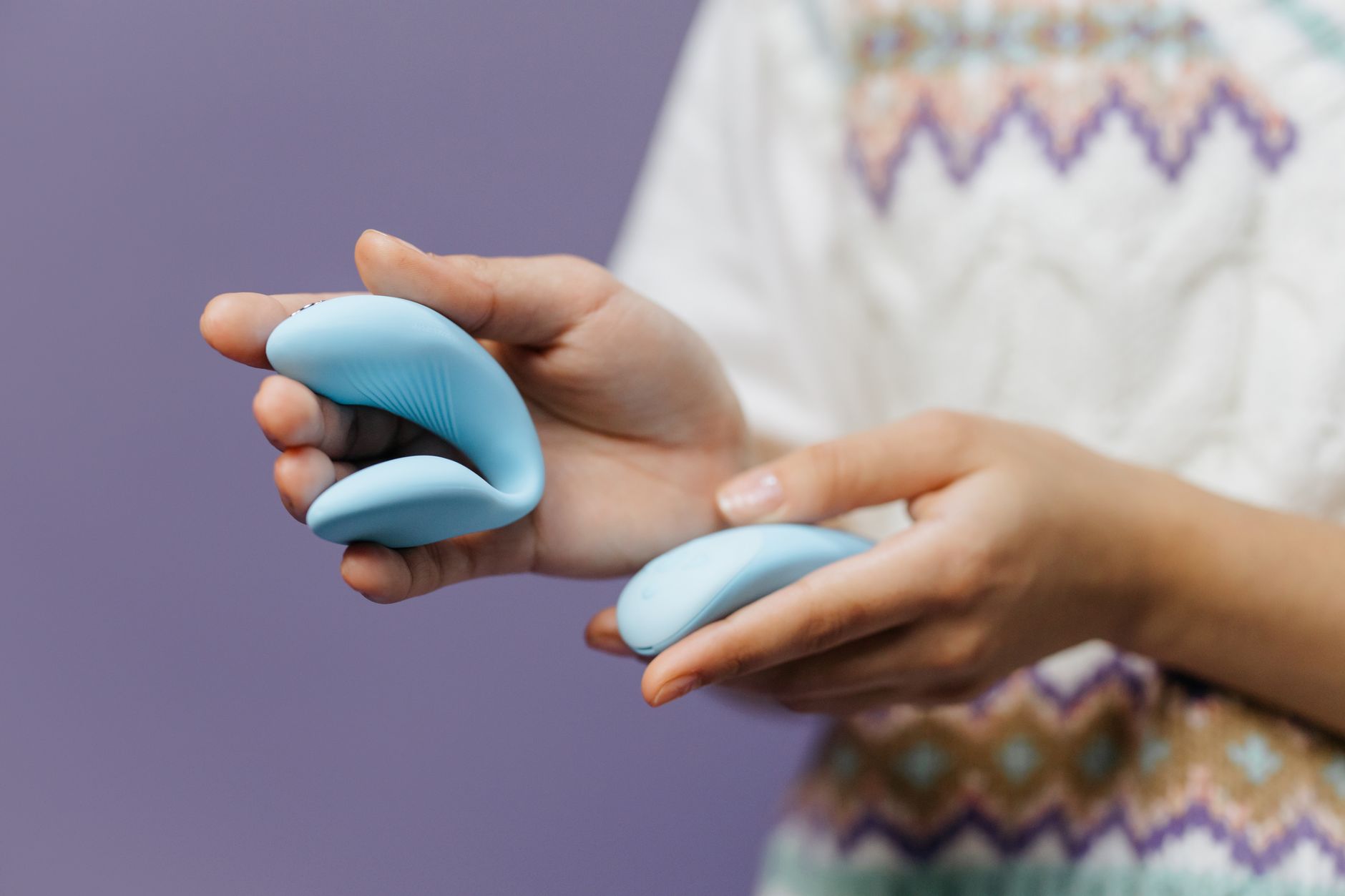
Photo by cottonbro studio on Pexels
What hormonal changes don't touch
Your capacity for orgasm remains intact. The neural pathways don't disappear. The clitoral nerve density doesn't decline. Your brain's pleasure centers work exactly the same. What shifts is the pathway to get there.
Many people rebuilding sensation after hormonal changes actually report deeper, more resonant orgasms once they recalibrate. Why. Because you've slowed down. You've stopped chasing intensity and started chasing sensation. You've learned your body at a different frequency. And that changes everything about how pleasure feels.
I've had clients tell me that their orgasms post-hormonal-shift felt more full-body, more integrated, less about a single peak and more about a sustained wave. That's not mythology. That's what happens when you stop fighting your body and start understanding it.
The pelvic floor piece everyone skips
Hormonal changes affect pelvic floor tone. Often without you realizing it. Tighter pelvic floor means less sensation, not more. Kegels (contracting the pelvic floor) are useful, but they're only half the work. The other half is learning to fully relax your pelvic floor, which honestly feels harder than squeezing.
Before using your lemon clitoral vibrator, spend 30 seconds consciously releasing your pelvic floor. Think of dropping weight through your hips. Breathe into your belly, not your chest. This isn't meditation. It's nervous system mechanics. A relaxed pelvic floor conducts sensation better. A tight one blocks it.
Some people find that gentle stretching or yin yoga before pleasure sessions helps. Not because it's mystical, but because it literally loosens tissue and shifts your parasympathetic tone. Your body can't be both tight and aroused.
When to pause and reconsider the bigger picture
If sensation is gone entirely, not just diminished, check in with yourself about what else is happening. Hormonal changes often arrive alongside other transitions. Grief, stress, relationship shifts, identity changes. Sometimes what feels like a sensation problem is actually an emotional availability problem wearing a body suit.
I ask my clients: Is the numbness consistent, or does it come and go. Does it feel physical or emotional. Have you been more stressed, more disconnected, more anxious. These questions matter because they change the solution. If hormones are the whole story, a lemon clitoral vibrator and patience will solve it. If there's also emotional distance or nervous system dysregulation, you might need to work through that alongside the physical work.
Similarly, if you're on medications that numb sensation (some antidepressants, beta-blockers, certain blood pressure meds), your doctor might have alternatives. It's worth asking.
Building a sustainable practice
Once sensation starts returning, the temptation is to accelerate. Don't. The body learns fast once it remembers, but it also forgets fast if you shock it. Use your lemon vibrator 2-3 times per week, not daily. Spend time at lower patterns even as higher patterns become comfortable again. Let your nervous system integrate the change.
This isn't forever. Most people report that sensation normalizes within 3-6 months of consistent, gentle exploration. Some faster. The key is consistency without pressure. Pleasure shouldn't feel like a chore or a test.
If you have a partner, this is worth naming. "I'm exploring sensation again after some changes. It might look different." That removes the shame and creates room for curiosity instead.
Frequently Asked Questions
How long does it actually take to rebuild sensation after hormonal changes?
It varies wildly. Some people feel shifts within 2-3 weeks of consistent practice. Others need 2-3 months. Your age, how severe the hormonal shift was, whether you're on HRT or other medications, and stress levels all matter. The common thread: patience. Pushing for faster results usually slows everything down because it puts you in a sympathetic (fight or flight) state rather than parasympathetic (rest and digest).
Can I use a lemon clitoral vibrator if I'm on hormonal birth control?
Absolutely. Birth control suppresses ovulation but doesn't eliminate estrogen entirely. Sensation changes with birth control, but they're usually milder than with menopause or major hormone shifts. Same principles apply: start low, use lube, give yourself time. Some people find that their sensation varies throughout their cycle even on birth control. That's normal.
What if lube makes everything feel numb?
That's usually a sign that you're using too much, the wrong type, or applying it in the wrong place. Try less. Try a different brand (some people's tissues react to certain ingredients). And try applying it only to your outer labia, not your clitoral head. The goal is glide, not slipperiness. You should still feel direct contact with your vibrator.
Does HRT help with sensation, or should I rebuild on my own first?
HRT can help tremendously, but it's not an instant fix. Tissue changes from hormonal shifts take time to reverse even with HRT. Most people benefit from using tools like a lemon vibrator both before and after HRT to understand what's actually changing and to keep their nervous system active. The combination of HRT plus intentional sensation work tends to produce the fastest results.
Why does my clitoris feel less responsive on certain days?
Hormones fluctuate. Even after major shifts, there are micro-cycles happening in your body. Stress, sleep, hydration, and your menstrual cycle (if you still have one) all shift sensation day to day. This is normal. If you notice patterns (always worse on Tuesdays, always better after good sleep), you can work with those patterns instead of fighting them.
Should I tell my partner about these changes?
Yes, if you have one. Not as a problem to solve, but as information. "My body is responding differently right now. I'm exploring what works." Most partners respond better to clarity than to silence. And honestly, inviting them into the exploration often reignites connection. When you're both curious instead of one person stressed and one person confused, the whole dynamic shifts.
The bottom line
Hormonal changes alter sensation. They don't end it. Your nervous system is resilient. Your body wants to feel good. And tools like the Lem are designed specifically for bodies navigating these shifts. Patience, the right technique, and consistent gentle exploration will get you back to pleasure that feels authentic to your body right now.
You don't need to return to how it was. You need to discover how it is. That's often much better.
If you're navigating this shift alongside a partner, we can help. Reach out anytime.