Let's name what's actually happening
You've been away from pleasure for a while. Maybe it was intentional. Maybe life just swallowed it whole. Either way, coming back to your body now feels less like rediscovery and more like awkwardness. That's normal. And it's fixable.
Here's what I see in my practice: people often treat the restart like they should already know the map. But your body has changed since you stepped away. Your nervous system might be stuck in protection mode. Your brain might be narrating anxiety about whether you still "work." None of that means you're broken. It means you need a different approach.
Why starting over is physically different
When you stop engaging with pleasure for a sustained period, your nervous system shifts. The parasympathetic activation that allows arousal gets rusty. Sensation pathways quiet down simply from disuse. If there's been stress, trauma, or relationship distance driving the gap, your body may literally be protecting you from vulnerability.
This isn't a performance issue. Your clitoral nerve density hasn't gone anywhere. Your capacity for orgasm is intact. What's changed is your nervous system's readiness to let pleasure in.
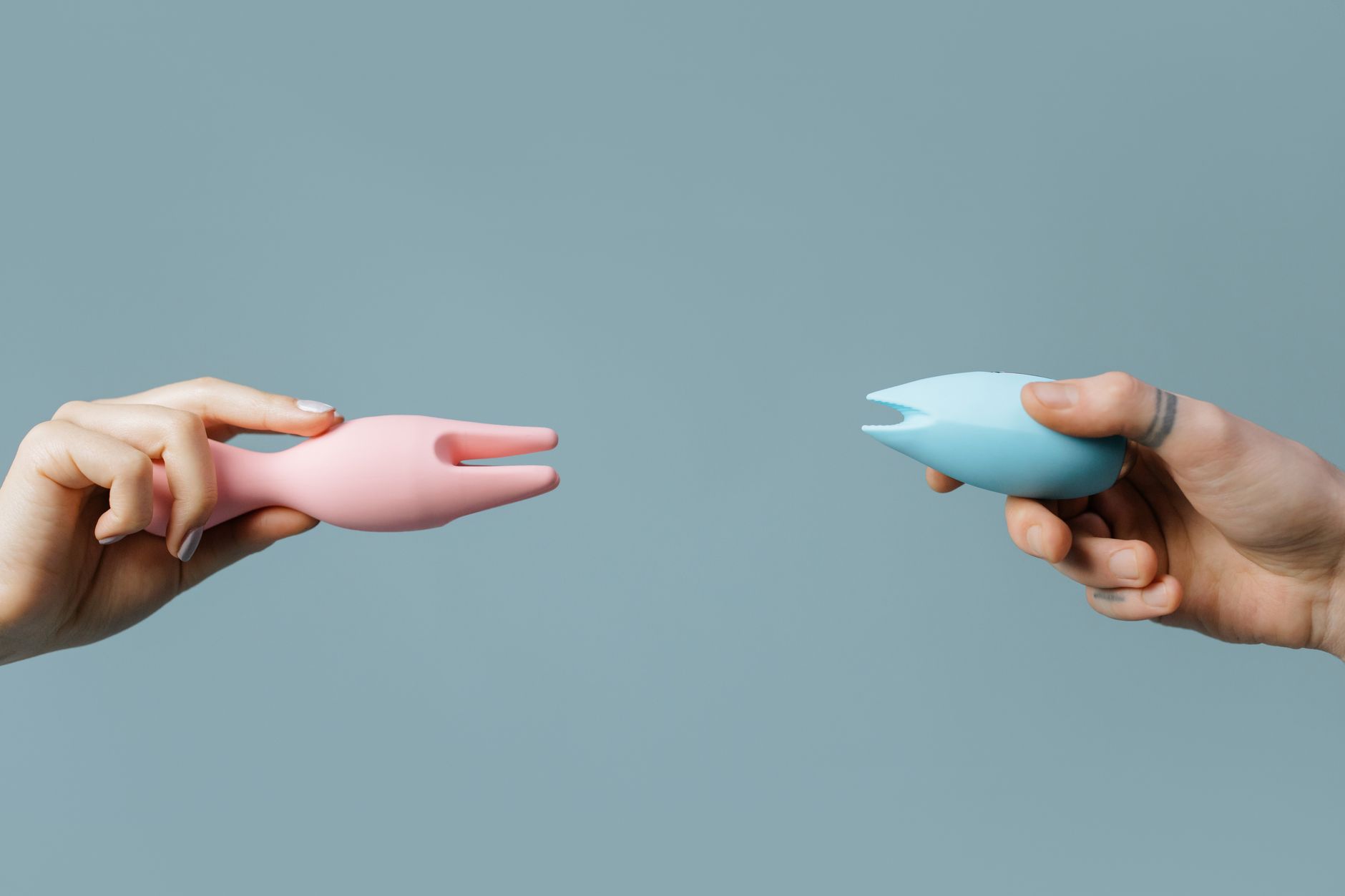
The good news: it responds quickly to permission and gentle repetition. A Lem Vibrator is particularly useful here because suction-based stimulation bypasses some of the anxiety that comes with direct touch. It's less emotionally loaded than fingers. It's softer than a traditional vibrator. It lets you ease in without intensity.
The permission framework before you start
Before you touch anything, settle this: you're not trying to prove you're normal. You're not trying to be as responsive as you were before. You're not rebuilding on a timeline. You're simply reintroducing pleasure as information, not as a test.
I tell clients this explicitly: "This session has one job. It's to help your nervous system remember that pleasure is safe." That's it. Orgasm is optional. Arousal is optional. You're just practicing the state of opening.
Write this down if it helps: I deserve to feel good without earning it. Your body doesn't owe anyone a particular response.
Creating the container that matters
Environment does more work than most people think. Your nervous system is reading the room before you even sit down.
Four basics:
Privacy, actual and perceived. If you share space with someone, lock the door and text that you need 20 minutes uninterrupted. Knowing you won't be walked in on changes everything in your body.
Temperature and comfort. A cold room keeps your nervous system vigilant. Warm, clothed, blanket nearby. You want your body to feel held, not exposed.
No screens nearby. Phone in another room. Laptop closed. Your brain can't shift into parasympathetic if it's scanning for notifications.
A timer. This sounds clinical, but it works. Set 20 minutes. When the timer goes, you're done, regardless. This removes the pressure of "how long should this take." Your nervous system relaxes because it knows the container has an edge.
The protocol for actual easing back in
Minutes 1-3: Settle. Lie down. No touching yet. Notice your breathing. If your mind is loud, that's information. Your nervous system is still in protection. Keep breathing. The narration will quiet if you don't feed it.
Minutes 4-7: External awareness. Light touch on your arms, collarbone, inner wrists. Anywhere but genitals. You're reminding your nervous system that touch is safe. Your breathing should be deepening by now.
Minutes 8-12: Introduce the Lem at the lowest setting on your inner thigh or outer labia. Not the clitoris yet. Not even close. You're desensitizing the area gradually. Let your breath guide the pace. If tension rises, pause. Breathe. Return when ready.
Minutes 13-18: Move the Lem to the clitoral hood or outer clitoris. Keep intensity low. Your job is observation, not outcome. What does this feel like? What does your body want to do? There's no wrong answer. Some people feel nothing the first few times. Some people feel tenderness. Both are normal.
Minutes 19-20: Whatever's happening, let it finish. Don't push toward orgasm. Don't abandon the sensation if it's building. Just be present.
What happens when anxiety shows up mid-session
It will. You're retraining a nervous system that learned pleasure wasn't safe.
When you notice a spike in anxiety, you have three moves. First: pause the Lem and return to breathing. No fancy breathing. Just slower out than in. That signals safety to your vagus nerve. Second: narrate what you're noticing without judgment. "My shoulders just tensed. That's my nervous system checking if this is safe." The narration disarms the anxiety. Third: touch your own arm or chest simultaneously while you're using the vibrator. Co-regulation with yourself tells your nervous system this is collaborative, not something happening to you.
Most anxiety fades in 30-60 seconds if you don't fight it.
The role of your partner, if there is one
If someone else is in your life, this conversation matters: "I'm reconnecting with my own pleasure for a while. It's not about you. It's about my nervous system remembering what safety feels like." A good partner understands that individual pleasure practice is relational infrastructure. It's not rejection. It's the opposite.
That said, some people find it helpful to involve a partner later in the process. Not yet. First you need to know what your own body is saying without an audience. Once you've had 3-4 solo sessions with your Lem where you've experienced genuine presence, you can decide if you want to invite them in. How to use a lemon vibrator with a partner who wants slower intimacy has a full framework for that transition.
Frequency and patience
Honestly though, easing back in is a practice, not a destination. I recommend 2-3 sessions per week for 4-6 weeks. Not because you need to earn your way back to pleasure. But because your nervous system learns through repetition. You're essentially rewriting the association between touch and safety.
Many people notice shifts by week two. Not because they've had some magical orgasm. Because they've settled into their body three times without being flooded by anxiety. That's the work.
By week six, most people report that the sensation feels less foreign. Sometimes desire actually returns. Sometimes it's still quiet but you're present with the quiet, which is different. Both are wins.
When to seek support
If after 6-8 sessions you're still in acute anxiety or there's pain during any sensation, a therapist who specializes in somatic work can help. Not because you're broken. Because sometimes the nervous system needs professional help to remember safety. That's what my colleagues and I do. Lemon vibrators vs. wand vibrators offers a useful comparison if you're weighing options, but trauma-informed care might matter more than the tool itself.
Similarly, if grief or relationship distance is driving the gap, the vibrator alone can't fix that. It's a tool for reconnection with yourself. The relational repair is a separate conversation.
The mindset shift that actually works
Here's what I tell people: pleasure isn't a reward you earn for being the right kind of person. It's not a test of your desirability. It's sensation. It's information. It's your nervous system saying yes to being alive in your body.
Easing back in is just learning to listen to that signal again. The Lem makes it easier because the sensation feels less intimidating than a traditional vibrator or fingers. It's soft. It's measured. It respects the pace your body actually needs, not the pace you think you should want.
Start small. Breathe slow. Keep the timer. Let your nervous system lead. The desire will follow or it won't, and either way, you're building safety. That's the real work.
People also ask
How many times per week should I use a Lem vibrator when easing back into pleasure?
Start with 2-3 sessions weekly, spacing them 48 hours apart if possible. Your nervous system needs time between sessions to integrate what happened. If you feel drawn to more frequent sessions after week three, that's fine. Honor what your body wants. But twice weekly is genuinely enough for your nervous system to recognize the pattern and begin shifting into parasympathetic activation.
Can I use a Lem vibrator if my partner doesn't know I'm easing back into pleasure?
Yes, absolutely. This is your individual nervous system work. Privacy matters. That said, if you're in a relationship that's built on transparency, you don't need to confess or apologize. A simple "I'm doing some personal reconnection work" is true and adequate. If your partner is someone who makes your pleasure their concern or competition, that's a separate relationship issue worth examining.
How long does it usually take to feel comfortable with a clitoral vibrator again?
Most people I work with report meaningful shifts by week four. You're not shooting for orgasm here. By week four, you're often just less anxious during the experience, which is the actual goal. Some people rebuild desire in six weeks. Others take three months. Your timeline isn't wrong if it's slower. Nervous systems are individual. Compare yourself to yourself, not to a timeline.
What if I feel nothing when using my Lem vibrator during easing-back sessions?
Numbing is often how nervous systems protect. You might have gone numb to sensation as a way of managing anxiety or stress. That's not permanent. It usually softens after 4-6 weeks of gentle, pressure-free exposure. If numbness persists beyond two months or you suspect antidepressants are a factor, your doctor and a pelvic floor physical therapist are your actual resources. The Lem can still be part of your practice, but professional guidance helps you understand what's underneath the numbness.
Is it normal to feel emotional or cry during easing-back sessions?
Very normal. Your nervous system holds emotion in your body. When you start gently activating pleasure, sometimes grief, shame, or relief rises to the surface. If you find yourself crying, that's your body processing something it needed to process. Pause if you need to. Sit with it. Continue if it feels right. This is actually healing. It doesn't mean you should stop. It means you're doing the work.
How do I know if I should use the Lem or ask for partner touch when easing back in?
Start solo. Your nervous system needs to know that you can access pleasure independently before adding the variable of someone else's expectations or presence. Once you've had 4-5 solo sessions where you feel genuinely present, you can experiment with inviting a partner in. The Lem is often easier to bring into partnered exploration than fingers because it creates physical distance that can feel safer. Start with them using it while you guide the intensity.
What comes next
Easing back in isn't a phase. It's a permission structure. Once you rebuild the basic felt sense of safety in your body, pleasure usually extends into other parts of your life. Your confidence. Your presence. Your sense of agency. That's not separate from sex. It's the same nervous system remembering you're worth feeling good.