Let's start with the obvious thing nobody says
A long break from sex is not a failure. It's a pause. And unlike riding a bike, your body doesn't automatically remember how to do this when you decide to try again. The nervous system has moved on. Sensation has gotten quiet. Desire has probably gone looking for something else to do.
The good news: this is fixable, and it's actually a cleaner restart than you'd expect.
Why your body feels different after a sexual pause
When you're not having sex or touching yourself for weeks, months, or longer, a few things happen neurologically. Blood flow to the genitals decreases. Neural pathways that light up during arousal go dormant. Your pelvic floor tension shifts. Lubrication production drops because there's no signal coming from your body saying "we might need this soon."
This isn't damage. It's disuse. Think of it like waking up a part of your nervous system that's been asleep. That takes a little intentional practice, not a sprint.
Many people also carry emotional weight back into the bed or the bedroom. Guilt about the gap itself. Anxiety about whether it will feel "right" again. Worry that they've somehow permanently changed. None of these beliefs are true, but they do layer onto the physical component and make the restart feel harder than it actually is.
The mental reset comes first
Here's what I tell clients in therapy: you're not broken, and you're not starting from zero. You're starting from a different baseline. That baseline has some real advantages.
First, you have no performance pressure. There's no muscle memory of "how it used to be." You can build something entirely new without comparing it to a past version. Second, you've likely spent this time developing other parts of your life or healing from something. That clarity is actually useful here. Third, you know yourself better now. Your body has changed, your preferences have shifted, and you get to discover that without an audience.
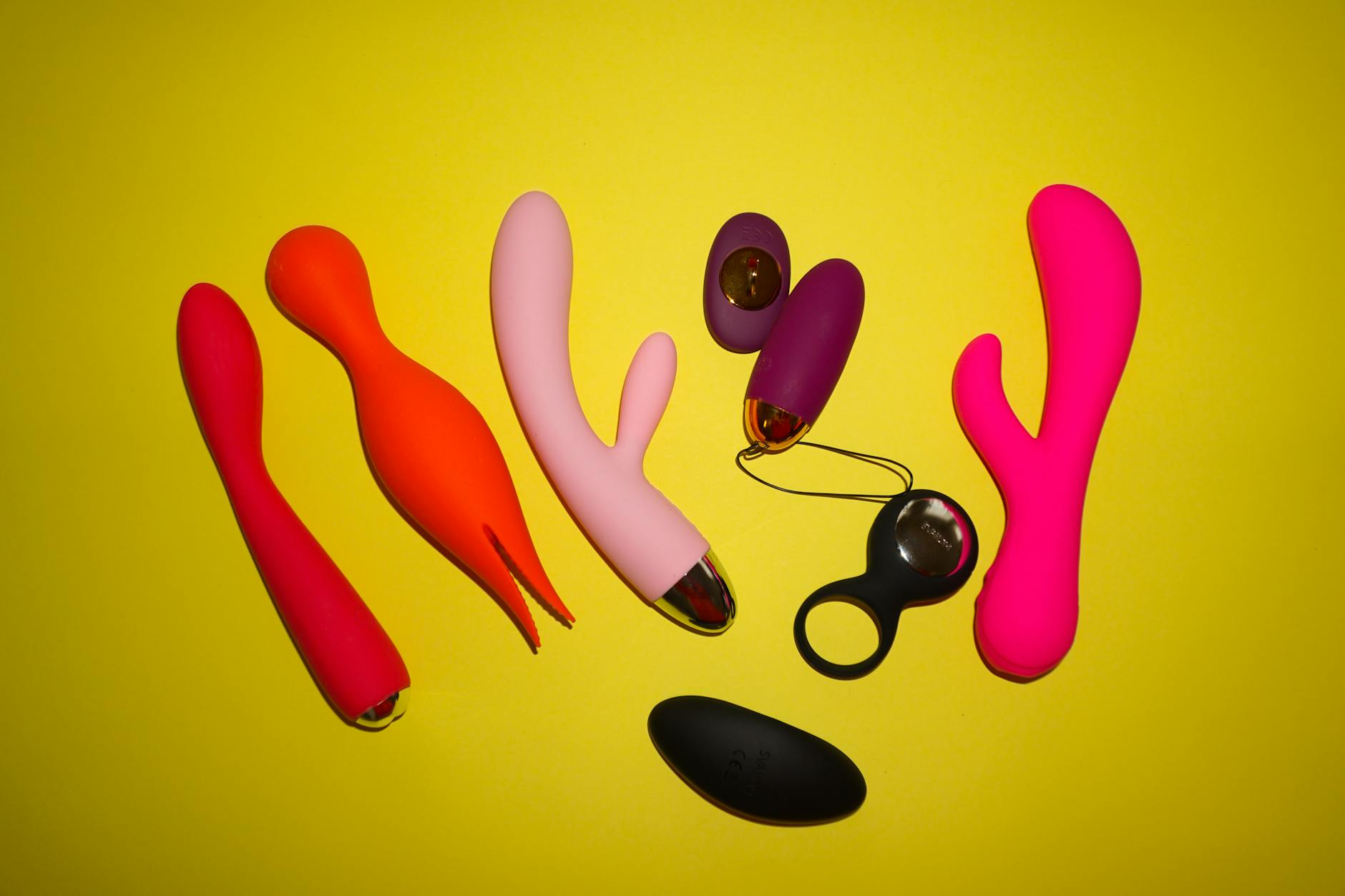
Before you touch a lemon clitoral vibrator or anything else, get mentally clear on one thing: you're doing this for curiosity, not completion. You're not aiming for an orgasm on day one. You're building back sensation. That distinction removes so much pressure.
When to start: the readiness check
You're actually ready to restart when two things are both true. First, you want to. Not because your partner wants you to, not because you think you "should," but because some part of you is curious or interested. Even a quiet interest counts. Second, you have privacy and time. No rushing. No checking your phone. No one is going to interrupt.
If either of those is missing, wait. There's no deadline here. Sex after a long break doesn't improve because you force it. It improves because you give it actual space.
The first session: what actually happens
Day one is not about the lemon vibrator yet. It's about your hands and water. Find a private space where you can be alone for 20 minutes without interruption. Shower or take a bath if that feels good. The warm water helps blood flow come back to the area. Lie down somewhere comfortable, no goal in mind.
Just touch yourself. Not to get aroused necessarily, just to say hello to this part of your body again. Notice what you feel. Is sensation dull? Sharp? Nonexistent in some spots? Sensitive in unexpected places? Don't judge it. You're gathering data.
Most people with vulvas who've taken a long break report that initial sensation is quieter than they remember. That's completely normal. Your nervous system is literally waking up. This session might feel like nothing happened. Perfect. That means you're not forcing it.
Introducing the lemon vibrator: the gradual approach
Once you've done the hand-only exploration for a few sessions (spread over a week or two, whatever works for you), introduce the lemon clitoral vibrator. Don't start on the highest setting. Don't aim straight for your clitoris. Start on setting one, the gentlest option, and hold it against your outer labia or inner thigh. Just feel the sensation.
The lemon vibrator's design is actually perfect for this kind of restart because it uses air suction instead of direct vibration. That means you're not relying on the tissue having high sensation. You're using a different neural pathway. Many people find that sensation comes back faster with the lemon than with traditional vibrators because it's not asking tissue to do something it can't do yet.
Spend a few sessions just exploring with the vibrator on low settings. Move it around. See where it feels interesting. Notice if anything changes when you breathe differently, or change your pelvic floor tension, or think about something specific.
The patience part (which actually matters)
If you've been away for a long time, sensation typically starts returning noticeably after about 2 to 3 weeks of gentle, consistent practice. By 4 to 6 weeks, most people report that arousal is coming back online and pleasure is becoming more recognizable. But "consistent" here means a couple of times a week, not daily, and always stopping before you feel frustrated.
The goal isn't to push toward orgasm. The goal is to rebuild the conversation between your nervous system and this part of your body. Orgasm will follow naturally once that conversation is flowing again.
Many people also find that pleasure comes back in waves. One session feels good, the next feels muted. That's not regression, that's normal variation. Your system is recalibrating. You're not doing anything wrong.
The partnership piece if you have one
If you're restarting with a partner involved, that requires a separate conversation. Tell them you're rebuilding your own connection with your body first. That's not about them. That's about you establishing a baseline. Once you're comfortable with your own pleasure again, integrating them back in is easier.
Many partners find this threatening for no good reason. Being clear about the timeline and the goal helps. "I'm spending the next month learning my body again solo. Then we can explore what that means for us together." That's information, not rejection.
If your partner pressures you to move faster, that's actually useful data about the relationship. Desire doesn't return on anyone's schedule but your own.
Common feelings that show up (and what they actually mean)
Guilt is the big one. People often feel guilty about the gap itself or guilty that they're "taking too long" to get back into sex. That guilt is not a signal you're doing something wrong. It's just an old cultural message that sex is something you should always want. You don't. Sometimes you pause. That's fine.
Shame about the body is another one. You might feel like your body has changed in ways that make pleasure harder. It probably has. Your body changes every seven years, every major life event, every decade. None of that makes pleasure impossible. It makes it different. Difference is not the same as worse.
Anxiety about "performance" or whether you'll "still be able to" comes up a lot too. You will. Your nervous system hasn't forgotten how to do this. It's just quiet. There's a massive difference between forgotten and sleeping.
When to bring in more help
If after 8 to 10 weeks of consistent, patient practice sensation still isn't returning, or if you're experiencing pain, talk to a pelvic floor physical therapist. They can actually assess what's happening in the tissue and nervous system rather than you guessing. Sometimes there's tension or trauma that needs professional support to release.
If the mental block is the issue (you want to but anxiety keeps shutting you down), a therapist trained in sex therapy or somatic work can really help. I say this as a marriage and family therapist myself: this is absolutely worth the investment. Your pleasure matters.
If you're restarting with a partner and you're hitting conflict, a couples therapist can help you navigate the conversation without defensiveness on either side. Again, this is not failure. This is using the right tool for the job.
The longer view
Once you're back in, the rhythm changes. Pleasure isn't something that disappears if you take another break. You've now proven that to your nervous system. You know how to restart. That knowledge is permanent.
Many people find that getting back in the second time is faster. Your body remembers faster. Your mind is less anxious because you've already done it once. The third time is faster still.
The goal is not to never take breaks. Life happens. Relationships shift. Stress peaks. Pleasure gets quiet. That's all part of the cycle. The goal is to know how to come back to it when you're ready, without shame, without rushing, and with a clear plan.
You've got this. Your body hasn't forgotten how to feel good. It's just been sleeping. Time to wake it up gently.
People also ask
How long does it usually take to feel sensation again after a long break?
Most people notice subtle shifts in sensation after 2 to 3 weeks of gentle, consistent practice. Noticeable arousal usually returns by 4 to 6 weeks. That said, everyone's nervous system has a different timeline. Some people see changes in 10 days. Others need 10 weeks. Consistency matters more than speed. You're rebuilding a connection that's been quiet, not fixing something that's broken.
Is it normal to feel anxious or awkward when restarting?
Completely. Your nervous system has been in a different state for a while. You might feel awkward in your own body at first. That awkwardness usually eases as sensation returns and as you get more comfortable with the practice. If the anxiety is intense or doesn't improve after a few weeks, that's worth exploring with a therapist. Sometimes a long break from sex is connected to deeper anxiety or trauma that benefits from support.
Should I use lube even though I just took a long break?
Yes. After a long break, lubrication production doesn't immediately snap back online. Water-based lube helps you feel sensation better and prevents any friction discomfort. It's not a sign of failure. It's just smart biology. As you practice, your body's natural lubrication will likely return, but don't wait for that to start exploring.
Can I use a lemon clitoral vibrator if I have very little sensation down there right now?
Actually, yes, and that's part of why the lemon vibrator is such a good choice for restarting. The air suction technology works differently than traditional vibration. It can create sensation even when the area feels relatively numb. That said, start on the lowest setting and be patient. You're waking up neural pathways that have been quiet. That takes time.
What if my partner wants to be involved from the start but I need solo time first?
Prioritize your solo time. A partner's desire to "help" or be involved can actually slow your own reconnection. You need to establish your own baseline first. Most partners understand this when you explain it clearly: "I need a few weeks to figure out what feels good in my own body again. Then we can explore together." If your partner pushes back on that boundary, that's worth paying attention to.
Is it possible that my pleasure might never come back the way it was?
It might feel different, yes. That's almost certain. But "different" is not the same as "worse." Many people who restart their pleasure practice after a long break report that when it comes back, it's actually better. You're not trying to recreate the past version. You're building a new one based on who you are now. That version is often richer.