The strange relief of getting your desire back
Depression doesn't just kill your mood. It erases the pathways between your brain and your body. You stop wanting touch, stop noticing attraction, stop remembering what pleasure feels like. Then one day, maybe months in, maybe after a medication adjustment, that switch flips back on. And it's confusing as hell.
Your desire returns, but your body doesn't feel like yours anymore. You've been away from it too long. The connection is rusty. And if you've spent the last six months, a year, or longer in that fog, the idea of jumping back into sensation can feel intimidating or even unsafe.
Here's what I see in my practice: people are desperate to feel normal again, which means they try to force themselves back into their old patterns. That usually backfires. Your body isn't ready for intensity. It's ready for curiosity. There's a difference.
Why antidepressants flatten desire in the first place
Most SSRIs (selective serotonin reuptake inhibitors) work by increasing serotonin in your brain. More serotonin helps mood, absolutely. But serotonin also suppresses dopamine and norepinephrine, the chemicals that fuel sexual motivation and arousal. It's not a side effect. It's chemistry.
If you've been on them for months, your nervous system has adapted to that chemical state. When you lower your dose, switch medications, or your brain chemistry shifts, serotonin normalizes. Dopamine and norepinephrine start flowing again. But your body doesn't snap back overnight. It's a gradual reconnection, and it can feel genuinely strange.
Some people experience a rush of desire that feels foreign or almost aggressive. Others feel like they're relearning pleasure from scratch. Both are completely normal. Both respond well to a gentle, tool-assisted approach.
Why a lemon vibrator works particularly well during this transition
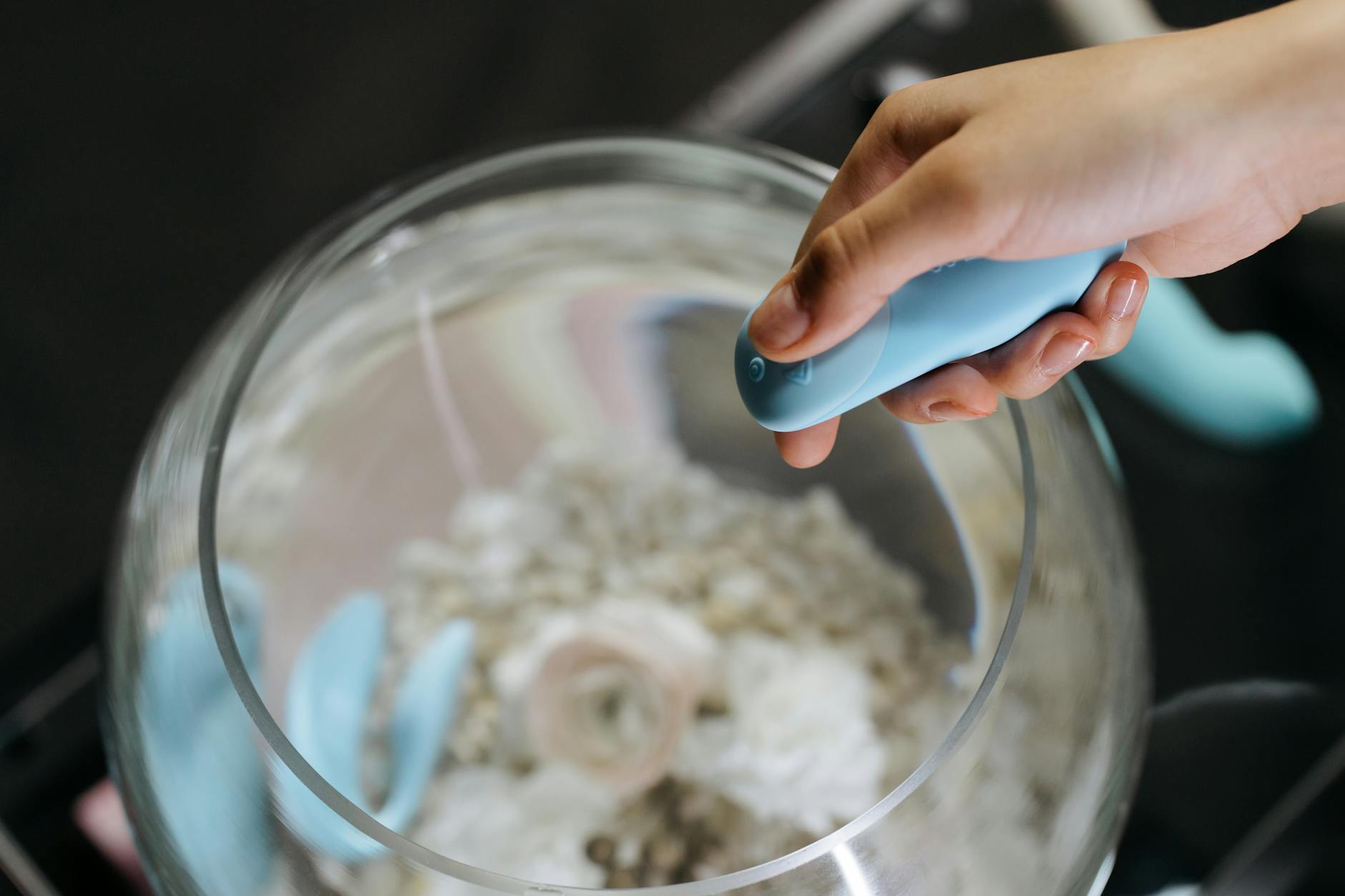
A lemon clitoral vibrator like the Lem uses air-suction technology instead of traditional vibration. That matters when you're rebuilding sensitivity. Here's why.
After months of blunted sensation, your nerve endings have essentially been in standby mode. Introducing them to sensation again works best when the input is rhythmic, consistent, and non-threatening. Air-suction creates a gentle pulse rather than the buzz or rumble of standard vibrators. Your nervous system recognizes it as something different, which can feel less overwhelming.
It also gives you control over intensity in a way that traditional vibrators don't. You start on the lowest setting and can stay there as long as you need. There's no pressure to escalate. No expectation to reach an orgasm quickly or intensely. The suction itself is the point.
The first session: what to expect and how to set yourself up
Your first time back isn't about coming. It's about noticing.
Set aside 20 to 30 minutes when you're alone, not rushed, and in a space where you feel safe. Your body has been in survival mode. It needs to know there's no performance pressure before it's willing to open up again. That sounds soft, but neurologically it matters. Your parasympathetic nervous system (the one that handles arousal) won't activate if your sympathetic nervous system (the fight-or-flight one) thinks it's still in a crisis.
Start with the Lem on the lowest setting. Spend 5 to 10 minutes just exploring the sensation. Don't aim for arousal. Don't aim for anything. Let your brain catalog what's happening. You might notice that sensation feels duller than you remember. You might notice it feels almost too intense. Both are fine. You're gathering data, not judging.
Use a water-based lubricant. Even if you don't think you need it, use it anyway. It reduces any friction that might feel jarring to tissue that's been neurologically quiet for a while. It also signals to your body that this is a low-stakes exploration, not performance sex.
Building tolerance and sensitivity over two to three weeks
Don't jump to intensity. That's the mistake people make when they're desperate to feel normal again. They crank the settings and wonder why it doesn't feel good.
Week one: lowest setting, 15 to 20 minutes, three times. Just noticing.
Week two: still lowest setting, but start introducing tiny variations. Move the vibrator to different areas. Pause and resume. Let your brain recognize that sensation can change and that's safe.
Week three: if you're interested, try the second setting for 30 seconds at a time, then drop back to the first. This is called "stacking" sensitivity. Your nervous system learns to recognize increasingly higher sensation as safe because it always gets a break.
Don't rush this. Depression taught your body to protect itself by shutting down pleasure. That's an intelligent adaptation. You're essentially asking your nervous system to trust pleasure again. That takes time.
When arousal starts to build, what actually happens
As you rebuild sensitivity, arousal will start looking different than it did before depression. You might notice your body gets warm more slowly. Blood flow returns gradually, not dramatically. Lubrication might be lighter than you remember. Orgasms might feel quieter, more internal.
None of this means something is wrong. Your nervous system is being cautious. Let it be cautious. This is actually an opportunity to discover what pleasure actually feels like for you, separate from what you think it should feel like.
Many of my clients report that when they stop chasing intensity and just allow sensation, they end up discovering a different kind of pleasure than they had before depression. It's often deeper, less surface-level, more connected to their body overall rather than focused purely on the clitoris.
If you're on antidepressants and experience desire returning, you might also notice emotional releases. Pleasure and emotion are connected through your nervous system. You might feel tearful during or after, or suddenly remember sadness you've been holding. That's not weakness. That's integration. Your body is processing that depression is actually over, and it's safe to feel things again.
When to add a partner (if you have one)
If you're in a relationship, it's worth having a conversation before you start exploring solo. Not to ask permission. To set realistic expectations.
Tell your partner: "My desire is coming back, and I'm rebuilding from the ground up. That means I might seem less interested for a while, even though I'm not. It means I might need things to feel different than they used to. I'm not rejecting you. I'm relearning my body."
That one conversation prevents a month of your partner misinterpreting your quiet exploration as disinterest in them.
When you do bring them in, the lemon vibrator works beautifully as a bridge. It's not you and them. It's the three of you. Your partner can hold it, or you can direct it, or you can both just watch and notice together. This shifts the dynamic from performance to participation. You're not trying to prove you're healed. You're showing them what healing actually looks like.
The plateau that might happen around week four
Here's something nobody talks about: you can rebuild desire and sensitivity too quickly, hit a wall, and think you've failed. You haven't.
Around week three or four, some people hit a sensitivity plateau. The lemon vibrator feels good, but it's not escalating anymore. Your nervous system has adapted to the input. This is actually a sign that you're ready to either stay where you are (which is perfectly fine) or very slowly introduce one new variable. Not intensity. Maybe duration, or maybe exploring a different part of your body.
Don't interpret a plateau as failure. Interpret it as your nervous system saying it's had enough novelty for right now. Back off slightly, stay at that level for another week, and trust the process.
FAQ: navigating desire return after depression
Why does my clitoral vibrator feel numb compared to before depression?
Your nerve endings haven't atrophied, but your nervous system has downregulated sensitivity as an adaptation to depression. You're essentially asking your brain to turn the volume back up. That takes weeks, not days. Starting on the lowest setting of a lemon clitoral vibrator and building gradually gives your nerves time to resensitize without overwhelming them.
Can I use a lemon vibrator if I'm still on antidepressants?
Yes. In fact, many people find that the return of desire while still on medication is a sign the medication is working. The neurochemistry shift that allows desire to return doesn't erase the medication's benefit for your mood. A lemon sucker or other clitoral vibrator can actually help you track whether your antidepressant dose is optimal. If desire is returning but very slowly, that's useful information for your doctor.
What if I'm having unexpected emotional reactions during solo pleasure time?
That's normal. Pleasure and emotion are routed through the same nervous system. When you've been neurologically shut down, reopening sensation can crack open other feelings. You might cry. You might feel grief mixed with relief. Some people feel anger. Stay with it. It's not a sign something is wrong. It's a sign your body is processing that depression is actually ending.
Should I tell my therapist or psychiatrist that my desire is returning?
Yes, especially if you're considering changing your medication dose. Your doctor needs to know that desire is coming back because it tells them something about how your medication is working. If you want to adjust your dose, that's a conversation to have with them, not something to do on your own. Desire returning doesn't mean you're ready to stop medication. It just means the neurochemistry is shifting.
How do I know if what I'm experiencing is pleasure returning or just anxiety about pleasure returning?
Anxiety feels scattered and fast. Pleasure feels localized and present. Anxiety makes you want to check your phone or escape. Pleasure keeps you curious about what comes next. If you're using the lemon vibrator and you notice your mind drifting, that's anxiety. Pause, take three long breaths, and come back when your mind settles. If you notice your attention narrowing down to just the sensation, that's pleasure. Stay there.
Is it normal to never reach orgasm during these early sessions?
Completely normal. Orgasm is actually a side effect of arousal, not the goal of it. When you're rebuilding sensitivity after depression, orgasm might take weeks to return at all. Some people find that when it does come back, it feels different. Quieter. More full-bodied. Less clitoral. That doesn't mean anything is broken. It means your nervous system is healing on its own timeline.
The long view: rebuilding is not linear
Some days your lemon vibrator will feel amazing. Some days it will feel like nothing. Some days you'll want to use it for 45 minutes. Some days five minutes is enough. That variability isn't failure. That's your nervous system continuing to heal.
Depression taught your body that shutdown was survival. Pleasure is the opposite message: your body is safe enough to feel good. Sending that message once is not enough. Your nervous system needs consistent, gentle repetition before it believes you. The lemon vibrator is just the tool that makes that conversation possible.
You're not trying to get back to normal. You're building a new normal where your body and your desire actually trust each other again. That's worth taking time for. Give yourself that grace.