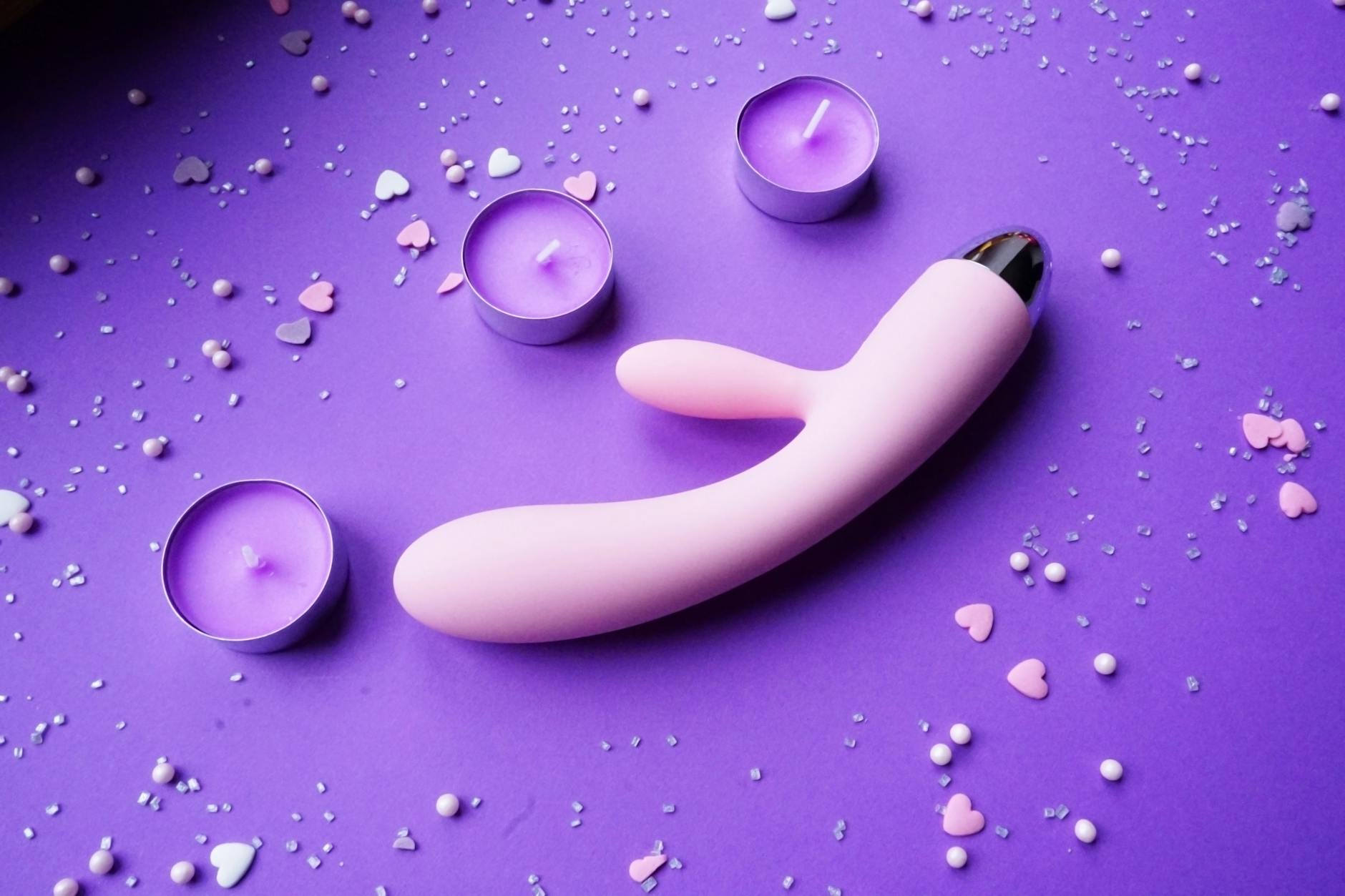
Let's talk about what rebuilding looks like
Pleasure after trauma is not about forcing yourself to feel good. It's about slowly, carefully teaching your nervous system that your body is yours again. That's the piece most guides skip over. They hand you a lemon clitoral vibrator and say "enjoy" while your brain is still running a threat-detection protocol that makes even gentle touch feel dangerous.
I work with people rebuilding this connection all the time. What I tell them first: your nervousness is not a failure. It's actually data. Your body is trying to protect you. The work is teaching it that protection and pleasure can coexist.
A lemon vibrator specifically is a good tool for this because air-suction technology gives you control over intensity in a way wands or traditional vibrators don't. You can stay in the shallow end for as long as you need.
Why air-suction lemon vibrators work differently for trauma recovery
When your nervous system has been dysregulated by trauma, direct pressure can feel aggressive or triggering, even when it's gentle. Air-suction devices like the Lemon work by creating gentle pulses of suction rather than vibration. This feels fundamentally different. Many clients describe it as more like a massage than a vibrator, which matters when your brain is still in protection mode.
The other advantage: control. On a traditional vibrator, you're either on or off. With a lemon clitoral vibrator, you move it in and out of contact. That means you can take breaks without stopping completely. You can increase sensation in micro-increments. You're not locked into someone else's pattern. You're steering.
That sense of agency is not incidental to recovery. It's central to it. Trauma often involves a loss of choice. Rebuilding includes slowly re-establishing that you get to decide what happens to your body.
Start with the grounding work first
Before you touch a lemon vibrator, do this: spend three to five days just checking in with your body without the device. Lie down in a safe space. Notice what sensations are present. Notice where you feel tense, numb, or activated. Don't try to change anything. Just witness.
This teaches your nervous system that paying attention to your body is safe. Many trauma survivors have learned not to pay attention. The disassociation is protective in the moment, but it makes pleasure impossible later because pleasure requires presence.
When you're ready, add simple touch. Hand on your belly. Stroking your arm. Nothing sexual. Just sensation that you initiate and control. Spend a week here if you need to.
This sounds slow. It is. And it's also the difference between pushing yourself into a panic response and actually healing.
Your first session with the Lemon: the setup
Environment matters. You want to feel physically safe and in control. That means:
Location. Somewhere you won't be interrupted. A locked door. A time when you're alone and can stay alone as long as you need.
Temperature. Warm. Cold makes your nervous system defensive. Warm signals safety to your body.
Lighting. Soft. Harsh overhead light activates vigilance. Dim, warm light signals rest.
Grounding tools nearby. Ice cubes in a bowl. A soft blanket. A scent you love. These are for if you feel activated. Being able to quickly ground yourself is not a distraction from pleasure. It's what makes pleasure possible.
The Lemon at the lowest setting. Start at pattern 1. Don't advance settings. The goal is not intensity. The goal is familiarity.
The actual first-time approach
Approach your genitals the way you'd approach a stressed animal. Slowly. Without agenda. With your hand first. Spend five to ten minutes just stroking the outside, fully clothed or with underwear on. This is teaching your nervous system that this touch is safe.
Then move underwear aside and use your hand. More stroking. More presence. No vibrator yet.
If at any point you feel panic, freezing, or dissociation, stop. This is not judgment. This is you listening to your nervous system. Take a break. Ground. Try again tomorrow.
When you do introduce the Lemon, do the same slow approach. Have it off at first. Let yourself look at it. Hold it. Feel the weight. Notice any stories your brain tells ("I should enjoy this," "This should feel good," "Something's wrong with me"). Those are thoughts, not truth.
Turn it on at the lowest setting. Bring it close but not in contact. Feel the sensation of it being near. This might feel weird or silly. That's fine. Weird and silly are not dangerous.
Then make contact, very gently, to the outer area. Not inside. Not directly on the clitoris. Around it. Let the sensation be almost background music for a while.
The first sign that you're moving in the right direction
You'll know you're doing this right when your nervous system stops sending alarm signals. You might not feel pleasure yet. That's not the metric. The metric is: did I feel safe? Did I stay present? Did I get to choose what happened?
If the answer to those three questions is yes, you've had a win. Do this five to ten times before you change anything about the approach.
When you're ready to advance, move the lemon vibrator to direct contact with the clitoris, still at the lowest setting. Spend another few sessions here. Again, the goal is familiarity and safety, not orgasm.
Orgasm will come later, and it might look different than it did before trauma. That's not loss. That's your body telling you something about what it needs now. Listen to that.
Building capacity over weeks and months
Once you're comfortable with direct contact at the lowest setting, you have a choice: stay there indefinitely, or slowly advance the intensity. There's no right answer. If pattern 1 feels good, pattern 1 is the right setting for you.
If you do want to explore higher settings, move up only when you've spent at least three to five sessions at your current setting and you feel genuinely curious, not pressured. Curiosity is different from "I should."
The whole process from first touch to full comfort might take weeks or months. This is not slow. This is healing.
During this time, pay attention to what else is happening in your life. High stress, sleep deprivation, relationship conflict, and unprocessed triggers all affect your nervous system's capacity to feel pleasure. If you hit a wall, the problem is rarely the lemon clitoral vibrator. It's usually something else in your life that needs tending.
When to bring a partner in
If you're in a relationship, the temptation is to involve your partner early. I usually suggest waiting until you can use the lemon vibrator alone and feel genuinely safe and present. There's a reason for this: your partner's presence, even well-intentioned, adds another nervous system into the room. Their comfort, their desires, their validation all become variables.
When you're rebuilding, you need to learn that your pleasure is valid just because you experience it, not because someone else witnesses it or approves of it.
Once you can use a lemon vibrator alone with genuine ease, then yes, explore together. But let that come after, not before.
What if you hit resistance
At some point, you might find that the lemon vibrator isn't enough. Or that you keep spacing out. Or that certain touches trigger memories. These are not signs to push harder. They're signs to slow down or to seek additional support.
A trauma-informed therapist can help you understand what's happening in your nervous system. Sometimes the issue isn't the device. Sometimes it's that you need to process some of what happened before your body can fully open to pleasure again.
This is where professional support matters. There's no shame in needing it.
The longer view
Recovering your capacity for pleasure after trauma is not linear. You'll have sessions where everything feels available and easy. And sessions where you freeze or panic. Both are normal. The work is staying compassionate with yourself through both.
A lemon vibrator is a tool. A good one for this particular healing, because it gives you control and doesn't require intensity to create sensation. But it's not the healing itself. The healing is you, slowly and repeatedly choosing to come back to your body with patience and permission.
That's the real work. And that's what actually changes things.
People also ask
Is it normal to feel nothing when using a lemon vibrator after trauma?
Completely normal. Trauma can numb sensation as a protective mechanism. Numbness doesn't mean something's broken. It means your nervous system is still in protection mode. The pathway back to sensation is slow, gentle, repeated exposure to safe touch. Some people feel pleasure again within weeks. For others, it takes months. Both are healing.
Can I use a lemon clitoral vibrator if I have PTSD from sexual trauma?
Yes, with the right approach. The key is going slowly enough that you stay in your window of tolerance. That means starting with grounding work, using the lowest settings, maintaining full control over pacing, and having a therapist you trust involved if possible. Many trauma survivors successfully rebuild their relationship with pleasure using air-suction lemon vibrators because the technology feels less aggressive than traditional vibration.
What's the difference between triggering and just feeling uncomfortable?
A trigger usually involves a sudden shift in your nervous system. Your heart rate spikes. You feel panic, freezing, or rage that seems to come out of nowhere. Discomfort is more like mild tension or self-consciousness. Discomfort often fades with continued safe exposure. A trigger usually requires you to stop, ground, and process. If you're getting triggered regularly, that's information that you might need more support before moving forward with a lemon vibrator.
How long should I wait between sessions if I'm nervous?
There's no fixed rule. Some people do better with daily sessions because consistency teaches their nervous system that this is safe. Others need longer breaks. The metric is how you feel physically and emotionally. If you're sore, skip a day. If you're feeling anxious, a break might help. If you're feeling curious and grounded, go ahead. Trust your own instincts about your body.
Should I tell my partner I'm using a lemon vibrator for trauma recovery?
That depends on your relationship and your comfort. You don't have to tell anyone anything about your body. Full stop. If you want to share, choose a calm moment when you're not in the middle of using it, and frame it as something you're doing for your own healing, not as feedback about your partner. "I'm working on reconnecting with my body," not "You're not enough."
What if I use a lemon vibrator and remember something traumatic?
This can happen. Sensations sometimes unlock memories. If this happens, stop immediately. Ground yourself using the tools you have nearby. Ice, blanket, scent, sound. Then pause the lemon vibrator work for a day or two. You might need to process what came up with a therapist before you continue. This isn't failure. This is your body telling you there's something that needs tending.
If you're navigating trauma recovery and pleasure, you're doing harder work than most people do in a lifetime. You deserve support, patience, and tools that match your pace. A lemon vibrator is one of those tools. But the real work is you, showing up for yourself again and again.