Here's what happens after painful sex
Your brain creates a protective loop. The next time you approach intimacy, anticipatory anxiety kicks in. Your pelvic floor tightens. Blood flow decreases. Arousal stalls. And even if the physical cause of pain has been resolved, the nervous system memory remains, blocking pleasure.
That's not broken. That's your body doing exactly what it's supposed to do. But it also means you can't think your way out of this. You have to rewire it through sensation.
Why a lemon vibrator works for this specific recovery
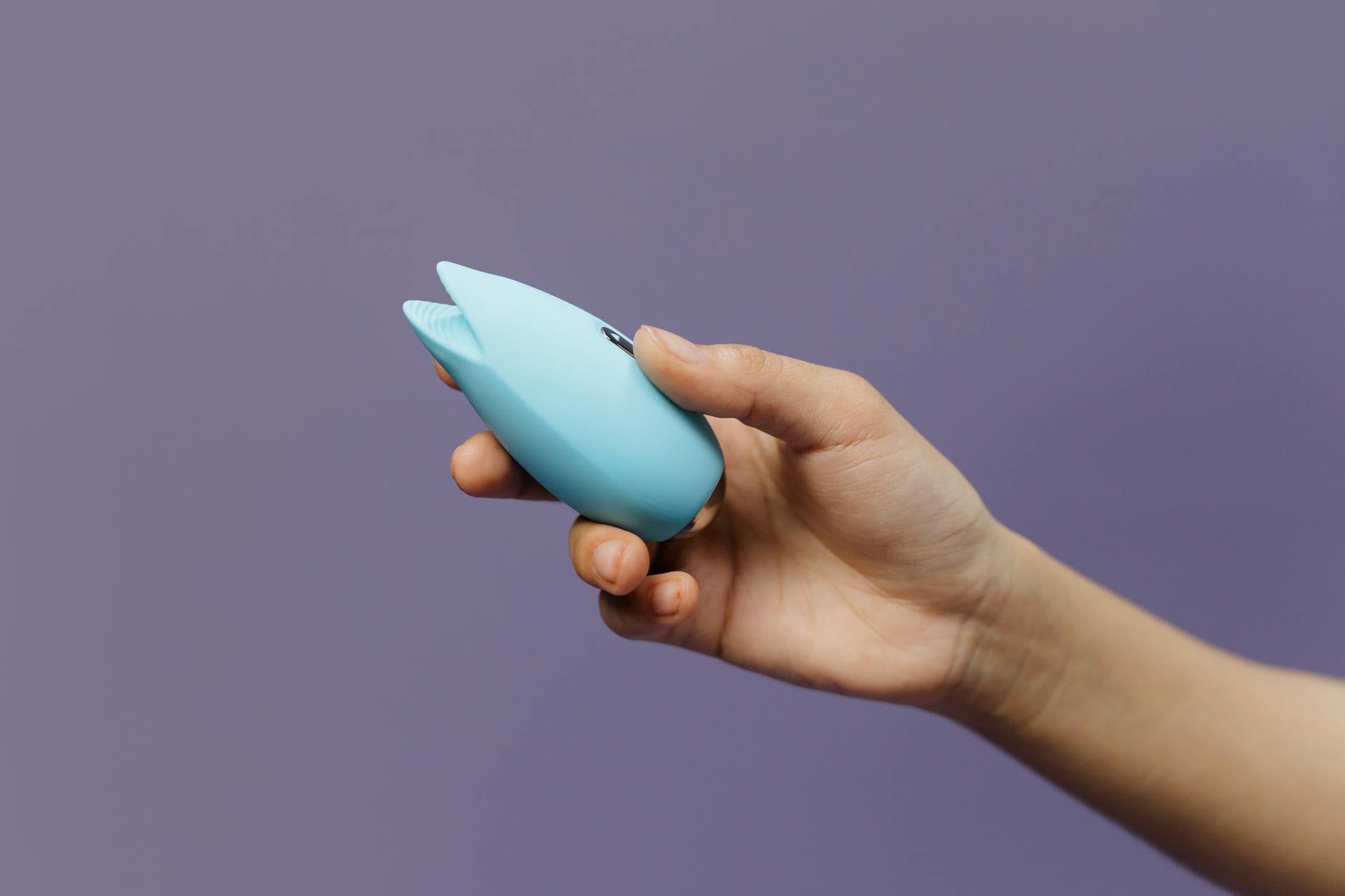
Most vibrators provide broad, intense stimulation. When you're in recovery mode, that intensity can trigger the same protective response that pain did. A lemon clitoral vibrator operates differently. It uses gentle suction across multiple pressure settings, which means you can start at barely-there sensation and build gradually. There's no aggressive buzz or deep vibration forcing your system into activation mode.
The design matters here because precision beats intensity when your nervous system is in protective mode. You're not trying to reach maximum sensation. You're teaching your body that touch can be pleasurable without pain.
Starting from zero: the first week
Week one is about exploration without expectation. Your only goal is to spend five to ten minutes noticing sensation without judgment.
Find a private, comfortable space where you won't be interrupted. This isn't performance. This isn't even about reaching a specific outcome. Lie down, get warm, and take three minutes to notice your breath. If your mind keeps jumping to the pain you experienced, that's normal. Acknowledge it and gently redirect to the present moment.
With your lemon vibrator, start on the lowest setting. You're not placing it directly on your clitoris. You're hovering it slightly off, just feeling the air movement. Spend two minutes getting used to the sensation. Then, very slowly, bring it closer. Notice what feels safe. Notice what creates curiosity instead of tension.
Don't expect orgasm. Don't expect arousal. The first week is about proving to your nervous system that touch doesn't equal pain.
Weeks two and three: building tolerance
Once you've spent a few solo sessions establishing safety, you can begin increasing contact and duration. Move the vibrator slightly closer. Experiment with patterns two and three on your device. Spend ten to fifteen minutes exploring.
You might notice your pelvic floor wanting to clench. When that happens, pause and breathe. Tension is not failure. It's information. Your body is telling you the intensity is reaching a threshold. Back off half a pressure setting and continue.
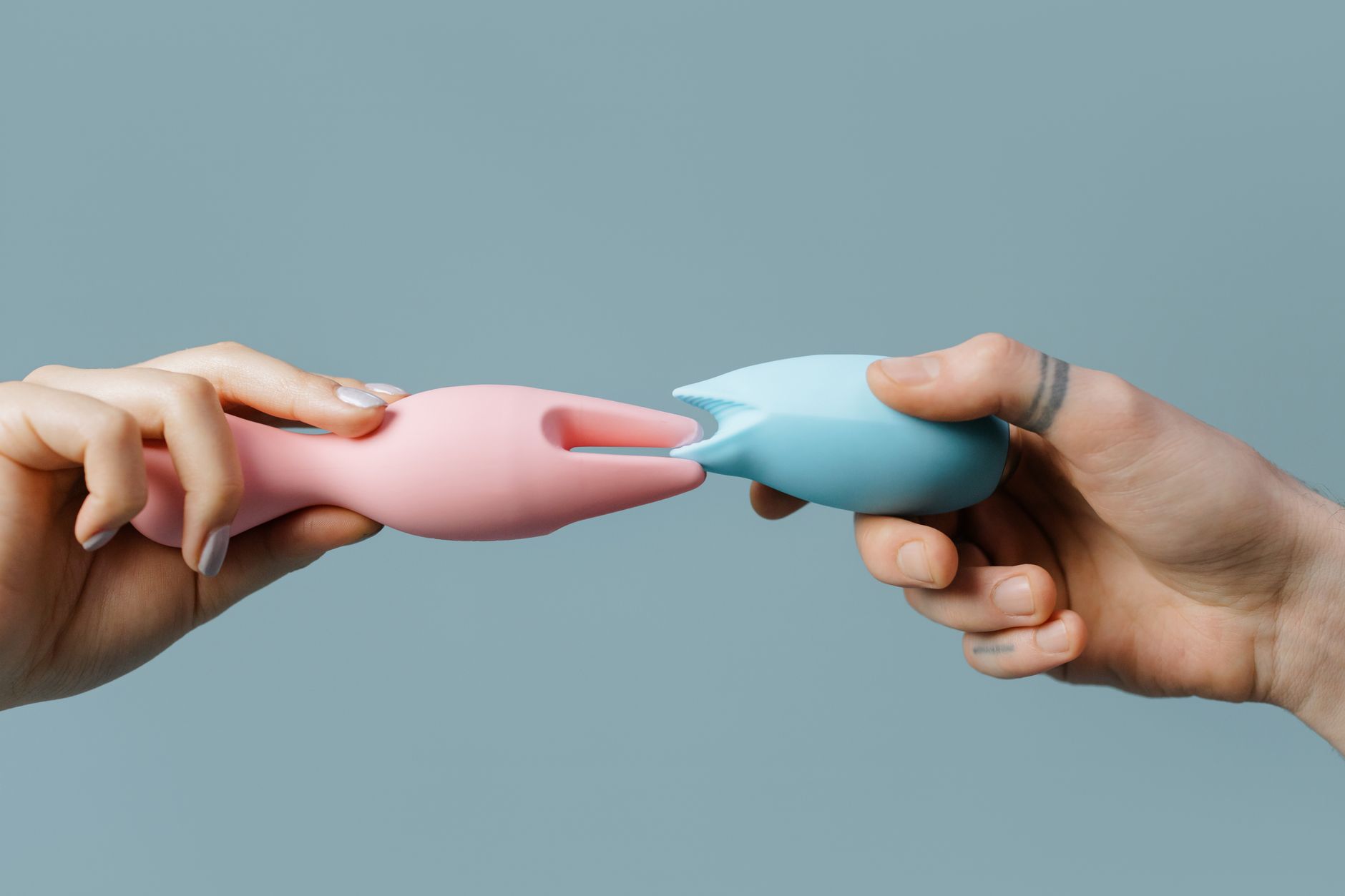
Photo by cottonbro studio on Pexels
Many people in recovery find that gentle stimulation combined with breathing work accelerates the rewiring process. When you feel tension, exhale for a count of five instead of holding your breath. This signals safety to your nervous system. Over time, your body begins to associate the vibrator with calm activation instead of threat.
The reintroduction phase: weeks four and beyond
After two to three weeks of solo practice, you're building new neural pathways. Your nervous system has evidence that pleasure is possible. Now comes the harder part. Introducing a partner (if you're coupled) or preparing for partnered sex again.
If you're in a relationship, this conversation should happen outside the bedroom. Tell your partner: "I'm rebuilding my relationship with pleasure. That might mean we move slower than before. That might mean we stop sometimes. That's not a reflection of how I feel about you. It's about learning I'm safe again."
When you're ready for partnered touch, your lemon vibrator can be a tool in the experience instead of a solo device. Some people find that having the vibrator present gives them a sense of control. You can use it while your partner touches you elsewhere. You can use it to show your partner exactly what feels good. You can pause everything and use it alone if you need to regulate.
The key is having an exit strategy. If at any point panic or pain signals arise, you're not pushing through. You're pausing, breathing, and either returning to solo exploration or stopping entirely. That's not stopping progress. That's respecting your nervous system.
Common speedbumps and how to navigate them
Some people feel guilt about needing external tools for pleasure after pain. Here's the honest part: a lemon vibrator isn't a crutch. It's a reset button. You're teaching your nervous system that pleasure is separate from pain. Once that neural pathway is strong, you might find you don't need it every time. Or you might keep using it because it feels amazing. Both are fine.
Others report that arousal still feels sluggish even after four or five weeks of practice. That's not unusual. Nervous system rewiring takes longer than two or three weeks for most people. Six to twelve weeks is a more realistic timeline, and some people need longer. There's no rush.
You might also notice that some days the vibrator feels wonderful and other days it feels like nothing. That's not regression. That's your nervous system fluctuating based on stress, sleep, hormones, and a thousand other factors. Keep going. Consistency matters more than intensity.
When to bring in professional support
If pain during sex was caused by an infection, endometriosis, vaginismus, or another physical condition, a pelvic floor physical therapist or gynecologist should be part of your recovery plan. A vibrator is a tool for pleasure rebuilding, not a medical treatment.
If anxiety or trauma around sex is strong enough that even the lowest setting triggers panic, a trauma-informed therapist or sex therapist can help. Pain-related sexual anxiety is real, treatable, and nothing to be ashamed of. Getting support isn't admitting defeat. It's being smart about your recovery.
The shift you're working toward
Recovery isn't about getting back to where you were before the pain. It's about building a new relationship with pleasure that includes boundaries, communication, and a genuine sense of safety. That's actually better than before.
Your nervous system learns through repetition and consistency. Each time you use your lemon vibrator in a way that feels gentle and exploratory, you're writing new code. Pleasure is possible. Touch doesn't mean pain. Sensation can be pleasurable.
Over weeks and months, that becomes your default instead of the protective loop. And when that shift happens, everything else gets easier.
Frequently asked questions
How long does nervous system recovery typically take after painful sex?
There's no universal timeline. Some people feel significant improvement in four to six weeks. Others need three to six months. It depends on how long the pain persisted, whether it was physical or psychological, and how much you practice. Consistency matters more than duration. A person who uses a lemon vibrator for ten minutes weekly for twelve weeks will likely progress faster than someone who uses it sporadically for four weeks.
Can I use my lemon vibrator if the pain was caused by a medical condition?
It depends on the condition. If your pain was caused by an infection, hormonal imbalance, or structural issue, that needs medical treatment first. Once the physical condition has been resolved, a vibrator can be part of rebuilding pleasure. If your pain was related to vaginismus or pelvic floor tension, a vibrator combined with pelvic floor physical therapy is often the ideal approach. Always check with your healthcare provider before reintroducing sexual activity.
What if my partner wants to help with recovery but I'm not comfortable yet?
Start with non-sexual touch. Massages, hand-holding, cuddling. Let your partner see you using your vibrator if that feels safe. Some people find that having a partner present while they explore solo helps them feel supported without pressure. Others need complete solo space for a while. There's no right timeline. What matters is that your partner understands this is about nervous system rewiring, not about their adequacy.
Is it normal to feel guilty about needing a lemon vibrator to rebuild pleasure?
Completely normal, and also worth examining. Pleasure is your birthright. Tools that help you access it aren't failures. They're intelligence. A person using a lemon clitoral vibrator during recovery is respecting their nervous system and investing in their own healing. That's something to feel proud of, not guilty about.
What if my partner feels insecure about me using a vibrator during recovery?
That's worth a conversation outside the bedroom. Reassure them that this is about rebuilding your relationship with pleasure, not about replacing them. Some partners feel threatened by tools. Others find it helpful to be involved. If your partner's insecurity is preventing you from accessing a healing tool, that might warrant deeper conversation or couples therapy. Your recovery matters.
Can I use a lemon vibrator if I'm also doing pelvic floor physical therapy?
Absolutely. Gentle vibration can actually complement pelvic floor work. Let your therapist know you're using one. They might suggest specific patterns or settings that align with your treatment. The combination of breathwork, physical therapy, and gentle vibration often accelerates nervous system reset.
Moving forward
Recovery isn't linear. Some weeks you'll feel like you've made huge progress. Other weeks you'll feel stuck. That's not actual regression. That's a nervous system that's still learning. Be patient with yourself. Be consistent. And remember that using a lemon vibrator to rebuild pleasure after pain is an act of self-respect, not weakness. You're teaching your body and brain that pleasure is possible again. That's everything.
If you need additional guidance, our contact page connects you with resources and support options tailored to your situation.