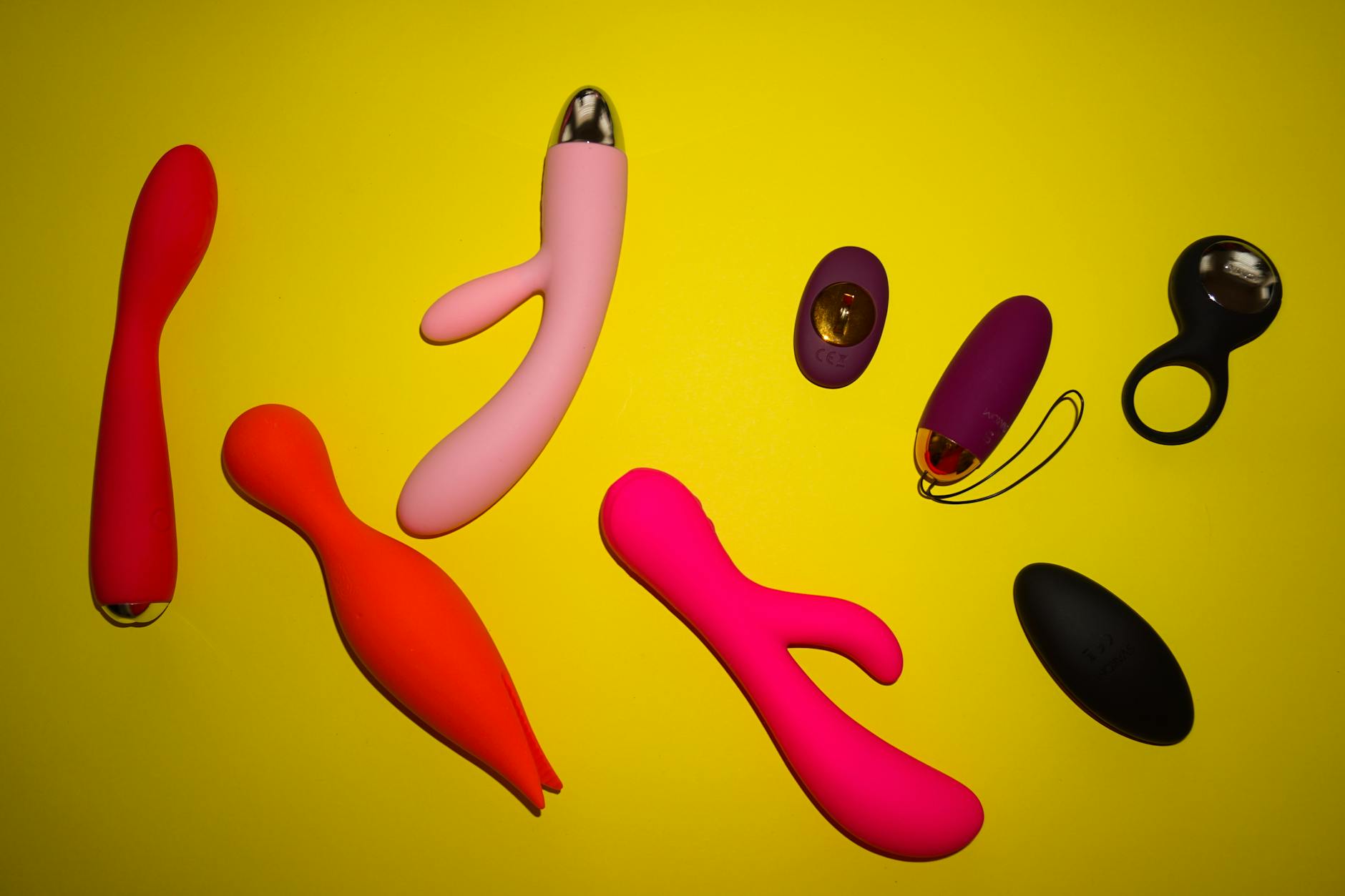
When intimacy shifts, so does everything
Let's be real. Relationships change. Sometimes it's slow. Sometimes it's sudden. Distance creeps in, priorities realign, or life just happens. And then one day you realize that pleasure, connection, and vulnerability feel different. Unfamiliar. Maybe even risky.
If you're thinking about reintroducing a lemon vibrator or any pleasure device after your relationship dynamics have shifted, you're not starting from scratch. You're starting from somewhere honest. And that's actually the better place to begin.
Why devices feel loaded when things have changed
When a relationship is running smoothly, a lemon clitoral vibrator or any sexual tool feels like an enhancement. An accessory. Easy. But when connection has fractured or shifted, the same device suddenly feels like it's asking something heavier of both partners.
A vibrator becomes a symbol of needs, vulnerability, or admission that what you had isn't enough right now. It can trigger old fears about being wanted, or anxieties about being "too much." For some partners, it feels like criticism. For others, it's a reminder of distance that's already there.
The real work isn't about the device. It's about what you're both willing to say underneath it. And that conversation happens first.
The conversation before the vibrator
Introduce the idea separately from the bedroom. Not during sex. Not as a solution to a problem that exists in the conversation. Timing matters wildly here.
Start simple. "I've been thinking about us and pleasure. I miss feeling close to you. I'm wondering if exploring together might help." Notice you didn't say the device yet. You said the actual thing: I miss you.
Then listen. Really listen. Your partner might feel rejected, inadequate, or afraid that a vibrator means you don't want them. They might feel relief. They might need time. All of these are valid starting points.
The lemon vibrator doesn't fix a broken conversation. It can only exist in a space where the conversation is already happening. If you're avoiding the real talk, the vibrator will just become another thing you're not talking about.
Reframing what the device actually does
One of the most useful shifts I've seen couples make is moving from "the vibrator helps me come" to "the vibrator helps us play together." Different frame entirely.
A lemon clitoral vibrator isn't a substitute for your partner. It's a tool that can add sensation, variety, and novelty to something you're already doing together. When you frame it that way, it's not a replacement. It's an expansion.
Your partner isn't being compared to a device. They're being invited into an experience with one. The difference sounds subtle. It's not. It changes everything about how safe the experience feels.
How to introduce it physically
Start clothed. Or mostly clothed. Not in the middle of sex. The first conversation with a lemon vibrator should happen when you're both calm and able to step back if you need to.
Show it. Let them hold it. Let them see that it's small, uninimidating, and frankly, kind of charming. A lemon vibrator sits on your palm. It's not some looming thing. It's design is playful. That matters for nervous partners.
Talk about sensation without performing. "It creates a different kind of stimulation than a hand does." Not "it feels amazing." Not "it makes me come so fast." Just factual. You're normalizing, not selling.
Then, if you both want to, use it together. Maybe your partner holds it while you guide their hand. Maybe you use it on yourself while they watch. Maybe they use it on you while you're skin to skin. The first experience doesn't need to be elaborate. It needs to feel collaborative.
Managing the vulnerability of changed dynamics
When a relationship has shifted, pleasure becomes vulnerable in a new way. You're taking a risk by saying "I want this. I want us." Your partner is taking a risk by saying yes when things have felt distant.
Go slow not because there's something wrong, but because slowness is how you rebuild trust. Slowness says "I'm paying attention to you. Your comfort matters to me more than the outcome."
If something doesn't feel right, stop. Talk about it without defensiveness. "That felt different than I expected" is useful information. So is "I'm scared this means something about how you feel." Name the fear. Don't pretend it's not there.
When one partner is more ready than the other
It's common that one person wants to reintroduce pleasure sooner than the other. That's not a mismatch. That's normal after disconnection.
If you're the one who wants the vibrator and your partner is hesitant, don't push. Instead, use it alone. Let them see that it's just part of your pleasure, not a demand on theirs. Sometimes people relax when they realize the device isn't about them performing or proving anything. It just exists in your life, neutral and available.
If your partner wants to move faster and you're unsure, say so. "I need more time" is a complete sentence. The device isn't going anywhere. What matters right now is that you're rebuilding something that depends on you both feeling safe.
Rebuilding pleasure after changed intimacy
After distance, pleasure can feel unfamiliar in your own body. You might notice that arousal is different. Sensitivity is different. That's normal. Your nervous system adapts to whatever state you've been in.
The lemon clitoral vibrator can actually help here because it offers consistent, focused sensation that doesn't require you to "perform" arousal. You can just receive. You can notice what your body wants without the pressure of reciprocating right now. That's healing.
For partners, watching someone relax into their own pleasure after you've been disconnected is genuinely intimate. It's not the same as sexual performance. It's about witnessing. It matters.
When to pause and seek support
If reintroducing pleasure tools brings up repeated conflict, shame, or resentment, that's a sign the relationship needs something beyond what a vibrator can offer. That's a couples therapy moment, not a device failure.
Similarly, if one partner is using the vibrator to avoid engaging with the relationship issues themselves, that's worth naming. The lemon vibrator can be part of rebuilding intimacy. It can't be the whole story if the whole story includes neglect, infidelity, or broken trust.
That work happens in conversation first. The device is always secondary.
Making space for pleasure again
When relationship dynamics have shifted, bringing pleasure back into the space is an act of hope. It says "I believe we can feel good together again." It says "You matter to me." It says "I want to show up for this."
A lemon clitoral vibrator can be part of that conversation. But only if the conversation itself is happening honestly. Start there. Everything else follows.
Frequently asked questions
Can a vibrator actually help repair a relationship?
No. A vibrator can't fix broken communication, betrayal, or fundamental incompatibility. What it can do is create a bridge back to physical closeness once the emotional work is underway. It's a tool for reconnection, not a replacement for repair. The real healing happens in conversation, vulnerability, and the decision to show up for each other.
What if my partner thinks I want a vibrator because they're not enough?
This is the most common fear. Address it head on. "I want this because I want more ways to feel close to you. Not fewer." Then show them. Use the device together. Let them be part of it. When they see that it's not about replacing them, just expanding what you do together, that fear usually softens.
Should we use a vibrator if we're trying to rebuild trust after infidelity?
Trust rebuilds slowly and requires accountability, transparency, and consistent follow-through from the person who broke it. A vibrator won't speed that up. If you're both wanting to rebuild physical intimacy as part of that process, it can be one small piece. But it's not the main work. The main work is honesty and time.
Is it okay to use a lemon vibrator alone while my relationship dynamics are shifting?
Completely. Pleasure in your own body is yours. Using a vibrator solo doesn't mean you're pulling away from your partner. It means you're maintaining your own sense of aliveness while you're both navigating change. That's actually healthy. It keeps you grounded.
How long should I wait after conflict before introducing a vibrator again?
Wait until the conversation has settled. Not until you're "fixed." Until you can talk about the conflict without defensiveness. Then wait a few more days. Let that ease live in your body. Then maybe bring it up. Timing isn't about perfection. It's about both of you feeling ready to play again.
What if using a vibrator brings up shame?
That's worth exploring separately, ideally with a therapist. Shame about pleasure often has roots in your family, your past, or older stories about what you're "supposed" to want. A vibrator is just a tool. The shame is something else. Don't blame the device. Get curious about where that feeling lives. That's the real work.
Bringing pleasure back into a relationship that's shifted takes courage from both of you. It requires honesty, patience, and the willingness to feel vulnerable again. A lemon vibrator can be part of that journey. But the real intimacy is in the conversation. Start there. Everything else follows naturally.