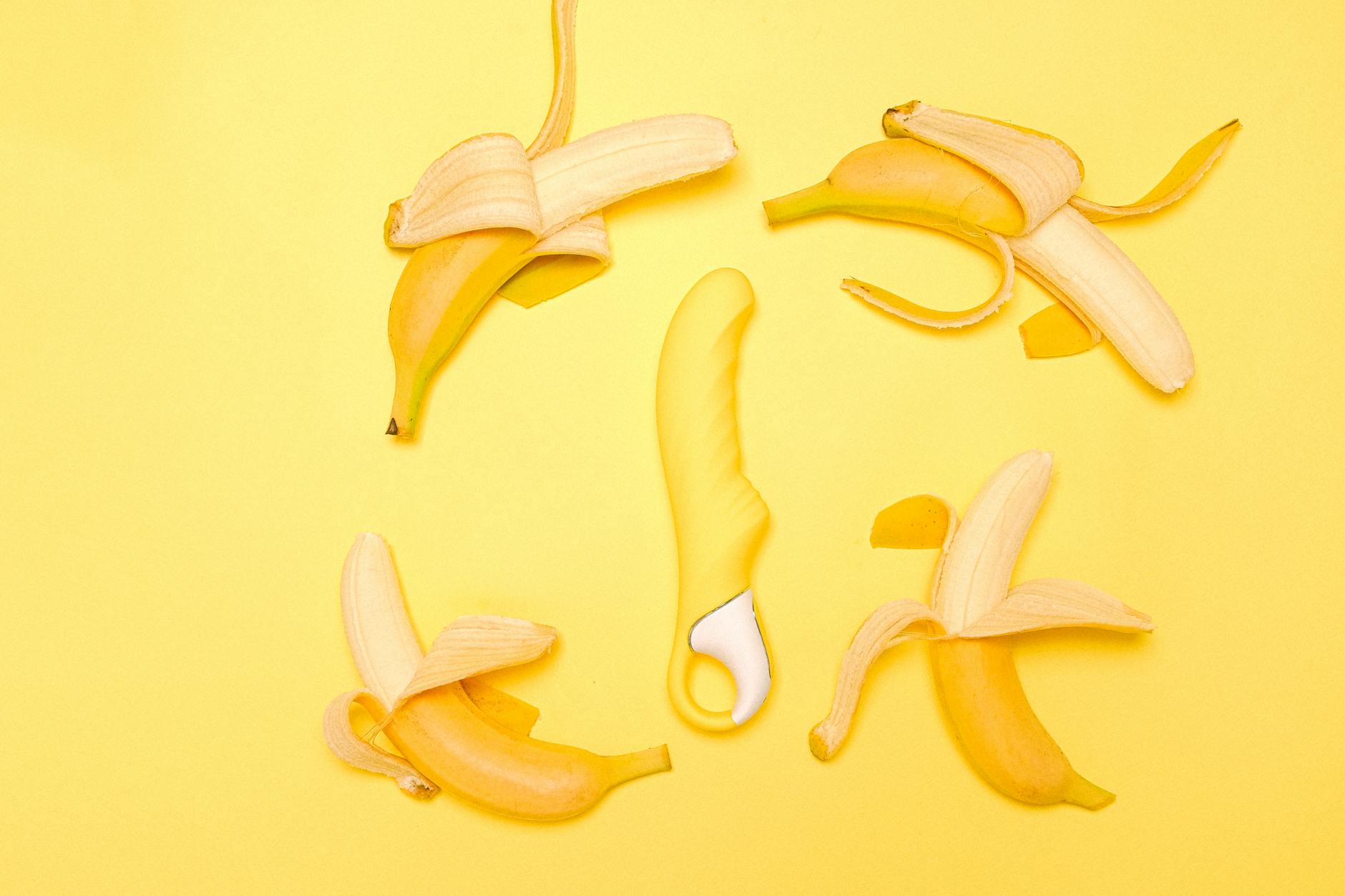
Let's talk about the in-between
Transitioning from one partner to another (or from solo to partnered, or back again) is one of those life events nobody really prepares you for. You're relearning your own body while also trying to figure out someone else's. The pleasure stakes feel higher because you're no longer just exploring for yourself; you're navigating someone else's expectations, comfort, and desires too. That's the exact moment when a lemon clitoral vibrator becomes most useful. Not as a replacement for connection, but as an anchor. A tool that reminds you who you are, pleasurewise, when everything else feels uncertain.
Here's what I've learned from working with couples through these transitions: the people who maintain pleasure and confidence are the ones who don't abandon their own rhythm while trying to figure out someone else's.
Why solo pleasure matters more during transitions
When you're partnered, your body knows its baseline. You've built a rhythm, understood what works, internalized your partner's touch. Then suddenly you're starting over. Your nervous system has to recalibrate. The unfamiliar touch of a new partner can actually feel disorienting, which sometimes reads as low desire when it's really just recalibration fatigue.
This is where a lemon vibrator becomes invaluable. Using one solo while transitioning does three concrete things. First, it keeps your nervous system attuned to pleasure signals rather than anxiety signals. Your body stays practiced at recognizing and responding to stimulation. Second, it gives you reliable data about what you actually want. New partners have different rhythms, pressures, and approaches. Having a baseline of what makes you finish helps you understand whether sex feels different because something's wrong or because this person just has a different touch. Third, it buys you time. You get to come reliably on your own schedule while the partnered side of things develops at whatever pace feels right.
Most people try to skip this phase. They jump straight into partnered sex and wonder why they feel numb or detached. Your body doesn't rewire that quickly.
Using a lemon vibrator solo during the transition phase
The rhythm I recommend to people in active transitions is simple: three to four solo sessions weekly, same time of day if possible. This isn't excessive. It's maintenance.
Pick times when you have privacy and roughly 20 minutes. No phone. Start without the lemon vibrator. Get your nervous system settled first with 10 minutes of touch, breath, whatever you've always done. Then introduce the vibrator on pattern 1 or 2. Low intensity. You're not racing to orgasm. You're practicing the sensation, reminding your body that pleasure is available and reliable.
If you're someone who usually needs a specific fantasy or mental script, keep doing that. Don't stop your normal patterns just because you're in transition. The goal is consistency, not reinvention. Your pleasure architecture is still valid.
When you do come, notice what worked. Was it a particular pressure? A certain pattern? Did you need music, stillness, a specific thought? Write it down if that helps. This isn't a diary entry. It's basic troubleshooting data for later when you're trying to communicate with a partner.
The conversation with your new or returning partner
Eventually, you'll need to talk about lemon vibrators, or toys generally, with whoever you're with. This is where most people choke, so I'm going to make it tactical.
The conversation isn't "I use a vibrator." It's "I've been keeping up with myself during the transition, and I want to keep using what works." That's not defensive. It's matter-of-fact. You're not apologizing for knowing your body.
If they ask why, the answer is simple: "It helps me stay connected to my own pleasure while I'm getting used to yours. It's not about you. It's about me staying present instead of anxious." That's true and specific. Most decent partners understand that language immediately.
Where people go wrong is assuming the lemon vibrator during solo time means less interest in partnered sex. It doesn't. It actually increases responsiveness because you're showing up less anxious. But don't lead with that. Lead with the truth: you want to bring your best self to shared pleasure, and that means staying in touch with solo pleasure.
Some partners will want to incorporate the vibrator into partnered sex from the start. Some won't. Neither is wrong. The key is that it's discussed rather than hidden, because hidden tools become shame objects eventually.
What changes when you're sharing pleasure
Once sex becomes partnered, the lemon vibrator's role shifts. It's no longer your anchor. It becomes a bridge.
Some people use it solo before partnered sessions. "I get myself started, then we take it from there." This works beautifully for people whose arousal needs a head start or whose nervous system settles better when they've already had one reliable orgasm. There's no shame in that. Your body knows what it needs.
Others introduce it during partnered sex. Your partner can hold it, you can, or you can take turns. If you're doing this, start in positions where you can control the pressure. Missionary or spooning allow you to adjust intensity without mechanical awkwardness.
The most important thing during partnered use is that you stay the person who knows your body best. Don't hand over complete control and expect your partner to intuitively know what worked solo. Tell them. "Slower on this side," "Higher pressure there," "I like it on pattern 3." You're not criticizing. You're coaching. Good partners actually want this information.
Confidence after the gap
If you're returning to partnered sex after a long transition (whether that's months or years), your relationship with pleasure might have shifted. Maybe solo play rewired you toward what you actually want rather than what you've settled for. That's valuable data, not a problem.
Using a lemon vibrator before you re-engage with a partner (or a new one) is a way of saying to yourself: "I'm bringing the person I've become, not trying to resurrect the person I was." That matters. Your body has changed. Your nervous system has changed. Your desires have clarified. You deserve to show up as your current self, not an archived version.
Some people feel anxious that their partner will interpret solo vibrator use as evidence of disconnection. Here's the reframe: it's evidence of self-respect. You're not asking permission to know yourself. You're inviting your partner to meet you as you actually are.
Navigating mismatched timelines
One common friction point during transitions: you might feel ready for partnered sex before your nervous system is. Or vice versa. A lemon vibrator lets you decouple those timelines.
If you want sex but your body isn't responding, a few sessions with a vibrator can reset things. If you're not ready for the vulnerability of partnered sex but your new partner is pushing, reliable solo pleasure buys you psychological space while you decide whether this dynamic works for you.
This isn't about using a vibrator to avoid intimacy. It's about using it to buy honesty. When you're not performing or managing your partner's feelings, you can actually feel what you feel. That's how you know whether the hesitation is normal transition jitters or a sign that something deeper isn't working.
People also ask
Is it normal to use a lemon vibrator solo while in a relationship?
Completely normal. Solo pleasure and partnered pleasure use different neural pathways. One doesn't replace the other. Many people find that maintaining solo practice actually improves partnered sex because you're staying attuned to your own signals rather than getting lost in someone else's rhythm. The assumption that a lemon vibrator during transition periods means something's wrong with the relationship is false. It usually means something's right about your self-awareness.
How do I tell my new partner I've been using a vibrator during the transition?
With the same directness you'd use for any other routine self-care. "I've been using a vibrator while getting used to being with you. It helps me stay present instead of anxious." Most partners respect that. The ones who don't are usually signaling something else that would surface eventually anyway. You're not hiding anything or asking permission. You're informing them about something you do for yourself.
Can I use a lemon vibrator during sex with my new partner right away?
You can, but it depends on comfort level and communication. Some couples introduce toys within the first few weeks. Others wait months. There's no timeline. What matters is that you both want it, that you discuss it beforehand, and that whoever's using it feels in control of the pressure and pattern. If you're the one holding the lemon vibrator, you keep all the power. If your partner's holding it, you can give feedback or take it back anytime.
What if my partner feels threatened by my vibrator use?
That's a conversation, not a problem you need to solve. Your vibrator doesn't perform any function your partner performs. It's a tool, like a book or a meditation app. If your partner interprets it as competition or infidelity, that's their insecurity showing up, and it deserves to be named and worked through. You can have this conversation with them directly or with a couples therapist. But don't abandon your own pleasure management to soothe someone else's anxiety. That's how you lose yourself.
How long should I keep using a lemon vibrator solo while transitioning?
As long as it helps. For some people, a few months. For others, indefinitely. There's no expiration date on knowing your body. If you find that partnered sex becomes so consistent and satisfying that solo time feels optional, great. But you don't have to stop. Many people maintain solo pleasure practice throughout their partnered years. It keeps you grounded.
Does using a lemon vibrator mean I'm not attracted to my new partner?
No. Attraction, arousal, and pleasure are separate systems. You can be deeply attracted to someone and still need your own rhythm to warm up. You can adore your partner's body and still benefit from the reliability of a clitoral vibrator. Using a lemon vibrator during transitions is about honoring your own nervous system, not about your partner's desirability. The two things have almost nothing to do with each other.
The bigger picture
Transitioning between partners is one of the few life events where your body and your psyche don't move at the same speed. Hormones shift. Touch feels unfamiliar. Your pleasure reflexes need recalibration. A lemon vibrator keeps you tethered to yourself during that recalibration. It's not a replacement for connection with a partner. It's a form of self-respect during a time when self-respect is hardest to maintain.
Your pleasure is not negotiable. Your timeline is not negotiable. Your need to stay in your own body while learning someone else's is not negotiable. A good partner understands that and doesn't ask you to choose between self-knowledge and connection. If they do, that tells you something important about whether this transition is going somewhere worth going.
For everything else, there's a lemon vibrator. Keep using it. Your body will thank you, and so will your next partner when you show up as someone who actually knows what they want.