Let's name what's actually happening
Stress doesn't kill your capacity for pleasure. It kills the pathway to it. Your body is still there. Your nerve endings still fire. But the mental load, the cortisol, the constant background hum of "I should be doing something else" creates a wall between intention and sensation. That's not broken. That's a very normal stress response.
The frustration is that knowing this intellectually doesn't make desire return on command. So the question becomes practical: how do you gently coax pleasure back when your nervous system is locked in protection mode?
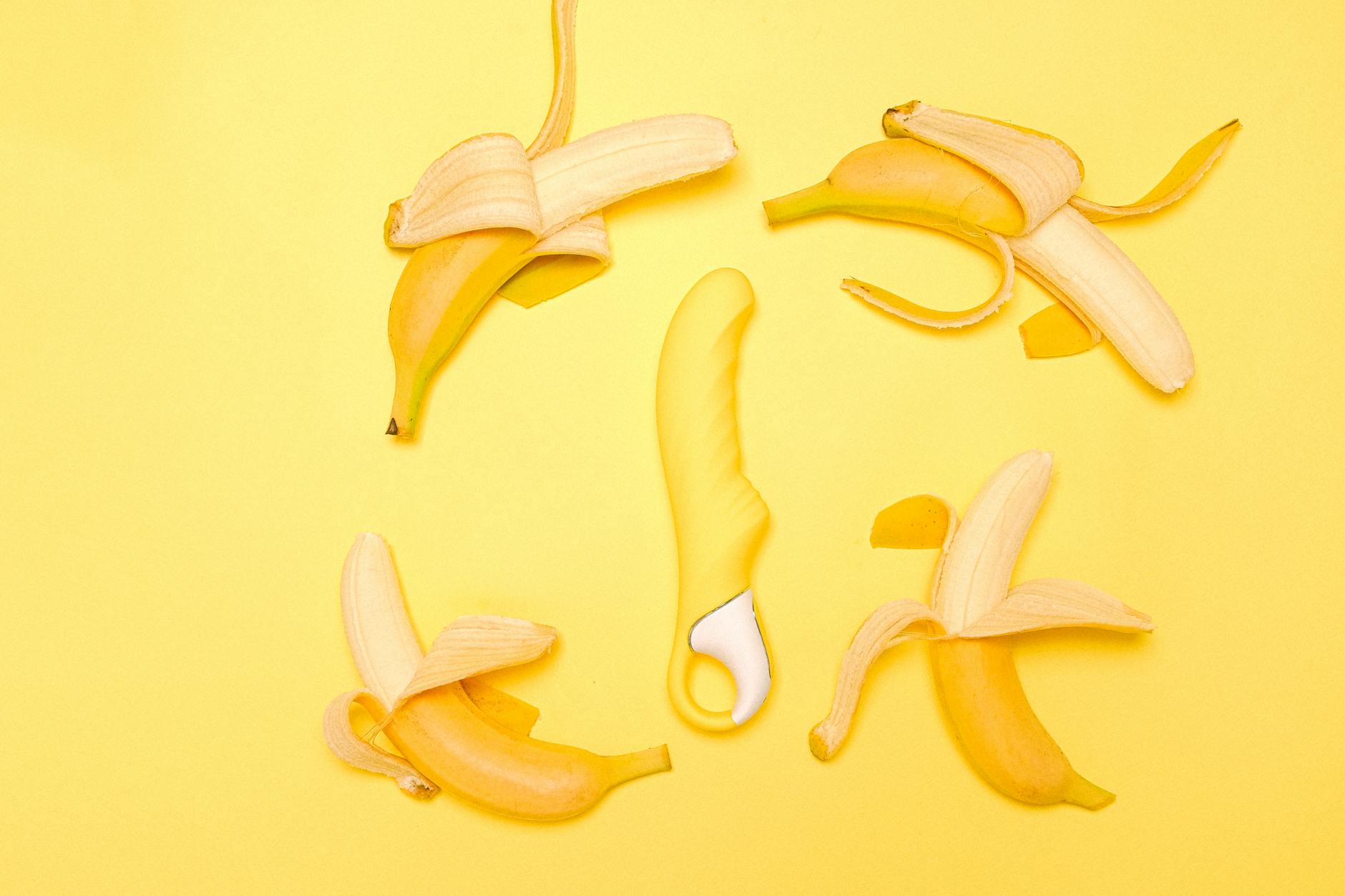
A lemon clitoral vibrator, used the right way, can be the bridge back.
Why stress specifically kills libido
When you're chronically stressed, your body prioritizes survival over pleasure. Cortisol rises. Blood diverts from your extremities and genitals. Arousal requires a relaxed nervous system, and stress is the opposite of relaxed. That's not a personal failure. That's biology doing exactly what it's designed to do.
The irony is that pleasure is one of the most effective stress-relief tools available to you. It's just that you can't access it the way you normally would. Direct stimulation, immediate intensity, the old shortcuts you know. Those often feel jarring when you're wound up. Your system doesn't want to be pushed. It wants to be invited.
Start with zero expectations
This is the most important step and the one most people skip. Before you touch anything, decide that the goal is not an orgasm. The goal is ten minutes of feeling a pleasant sensation in your body without simultaneously thinking about your email inbox.
That's it. That's enough.
Set a timer for ten minutes so you don't have the anxious background worry about whether you're taking too long. Put your phone in another room. Tell your partner or household you need twenty minutes uninterrupted. Create a physical barrier between you and everything else.
Now you can breathe.
The first session with a lemon vibrator
If you have a lemon vibrator (like the Lem), start at the lowest intensity setting. Not because you're broken or desensitized, but because the lowest setting on a modern clitoral vibrator can feel surprisingly intense when your nervous system is already activated from stress. You want gentle. You want to feel the sensation, not fight it.
Apply a water-based lubricant generously. Stress reduces natural lubrication anyway, and lube takes away the friction that can feel uncomfortable or even irritating when you're already tense. This is not optional.
Bring the vibrator to your vulva but don't focus on the clitoris immediately. Run it across the outer labia, the perineum, the entire area. Let your system recognize "this is a safe sensation." Spend two or three minutes here just getting your body accustomed to the vibration. No urgency.
Then, slowly move toward the clitoris. Use the side or edge of the vibrator rather than direct contact if that feels less intense. Many people find that approaching pleasure from an angle, rather than head-on, feels less overwhelming when they're stressed.
Build tiny rituals around it
One of the best ways to restart desire when stress has numbed it is to create a small, repeatable ritual. Not a big production. Something simple.
Maybe it's: light a candle, lie down for twelve minutes, use your lemon vibrator at setting one, then rest for five minutes afterward without checking your phone. That's it. The ritual itself becomes the signal to your nervous system that pleasure is safe and scheduled, not another demand.
Do this three or four times before you expect anything significant to shift. Pleasure isn't restored in a single session. It's restored through repetition, through your body learning that stimulation during this time is not a threat.
Pairing the vibrator with breathwork
Stress literally changes how you breathe. You hold your breath. Your chest gets tight. One of the fastest ways to signal safety to your nervous system is to actively relax your breath.
While using your lemon vibrator, focus on long, slow exhales. In through the nose for a count of four. Out through the mouth for a count of six. This isn't meditation. It's a tool. It tells your body "we are safe right now, nothing is chasing us."
Many people find that pleasure becomes accessible again once their breathing relaxes. The vibration is secondary. The nervous system reset is primary.
When nothing is happening yet
If you've done this four or five times and still feel nothing, that's normal. Stress can suppress sensation for weeks. You haven't lost it. You haven't broken anything. Your system just needs more time.
The temptation at this point is to increase intensity, to try harder, to make something happen. Resist that completely. Going harder when you're stressed is like trying to relax by exercising intensely. It doesn't work.
Instead, reduce the frequency slightly. Move from three times a week to twice a week. Give your nervous system more breathing room. Some of my clients need three or four weeks of gentle, low-intensity stimulation before real pleasure returns. That's okay.
If you're still experiencing completely absent libido after six weeks of consistent gentle practice, or if pleasure has been absent for several months, talk to your doctor or a therapist. Sometimes low libido from stress is a sign that stress has crossed into depression, and that's worth addressing directly.
The role of a partner, if you have one
If you're in a relationship, one of the hardest conversations is the guilt that comes with low libido. "I'm not attracted to you." "You're not doing enough." "You're selfish." These are the lies stress tells both partners.
The truth is simpler: your nervous system is overwhelmed. It has nothing to do with your partner's attractiveness or effort. What helps is saying that clearly, and then asking for support, not pressure.
Some partners find it helpful to be in the room while you use your lemon vibrator. Not as an audience, but as a calming presence. Their knowledge that you're prioritizing pleasure can ease the guilt for both of you. Others need complete solitude. Ask yourself what your nervous system actually wants.
What doesn't help is your partner initiating sex while you're trying to rebuild desire through solo play. That reverses the progress. You need to relearn that pleasure is accessible on your own terms first. Connection follows.
When pleasure starts returning
The first sign is usually not a full orgasm. It's a moment where you think, "Oh, that actually feels nice." A spark. A small bloom of sensation. When that happens, you've crossed the threshold.
At that point, you can gradually increase intensity, extend sessions, try new patterns or settings on your lemon clitoral vibrator. But don't rush it. Pleasure that's been dormant under stress comes back slowly, and that's the healthy pace.
Many people find that once sensation returns through solo play, partnered sex becomes accessible again too. But not always immediately. Pleasure and partnership are two separate processes, and rebuilding one doesn't automatically rebuild the other.
The real work is external
Here's what a lemon vibrator can't do: solve the stress itself. It can restart pleasure. It can prove to your body that sensation is still possible. But if your job is still unmanageable, your relationship is still chaotic, or your daily life is still overwhelming, pleasure will stay fragile.
The vibrator is a bridge, not a destination. Use it to remember that your body still works. Then do the harder work of actually reducing stress where you can. Talk to your partner about workload. Talk to your manager about boundaries. Go to therapy. Actually sleep.
Pleasure returns fastest when you address both the nervous system and the life circumstances that activated it in the first place.
FAQ: Low libido, stress, and restart
How long does it take to feel pleasure again after stress has shut me down?
It varies widely. Some people feel a shift within two weeks. Others need four to six weeks of consistent gentle stimulation before real sensation returns. The key is consistency, not intensity. Your nervous system needs to be convinced that pleasure is safe and possible, and that takes repetition.
Can I use a lemon vibrator during extreme stress, like right after a crisis?
Yes, but not for pleasure. During acute stress (death in the family, job loss, major trauma), using a vibrator can help you feel something in your body and remind you that you're not broken. But pleasure usually isn't possible until the immediate crisis has passed and your nervous system has begun to settle. Give yourself grace.
If I use a lemon vibrator while stressed, will I numb out more?
Not if you start gently and with zero pressure. The risk comes from trying to force intensity or orgasm before your system is ready. Gentle stimulation actually helps your nervous system practice the relaxation needed for pleasure. Aggressive stimulation during stress can reinforce the protective shutdown.
Should I tell my partner I'm using a vibrator to rebuild libido?
That depends on your relationship. In my experience, transparency helps. A conversation like "I've been stressed and I'm using this time alone to reconnect with my body" is usually easier than secret use discovered later. But only you know your dynamic. Consider what would actually reduce anxiety in your relationship.
Is it normal that I feel no sensation at all with a vibrator when I'm stressed?
Completely normal. Stress literally suppresses sensation and vagal tone. Your body is in protection mode. The first few sessions with a lemon vibrator might feel like nothing, and that's not failure. You're training your system to recognize safe pleasure again. Sensation will return.
Can antidepressants or anxiety medication make this worse?
Some medications can reduce libido or sensation. If you're on psychiatric medication and noticing changes, talk to your prescriber. Many times adjustments can help. In the meantime, a gentle lemon vibrator and patience with yourself often still works, though it may take longer.
The bottom line
Stress doesn't end your capacity for pleasure. It hides the pathway to it. A lemon clitoral vibrator, used gently and consistently with zero pressure, can help you find that pathway again. But it's not magic. It's a tool that works best when paired with actual stress reduction, nervous system care, and honest conversation with anyone who shares your bed.
Your body didn't break. It just needs an invitation, not a demand.
If you'd like to explore how stress and pleasure intersect in your specific relationship, or if you want personalized strategies for rebuilding intimacy after a high-stress period, I'm here to help. Reach out to Hello Nancy and let's talk about what rebuilding looks like for you.
Sources & further reading
- Stress and Sexual Function: Research shows chronic cortisol elevation suppresses sexual arousal in all bodies (Archives of Sexual Behavior)
- Nervous System Regulation Through Breath: Vagal tone directly influences sexual response capacity (International Journal of Psychophysiology)
- Pleasure Reconditioning After Stress: The role of low-pressure repetition in rebuilding sensation (Journal of Sex & Marital Therapy)