Here's what you need to know first
Vaginismus is involuntary muscle tension in the pelvic floor. When your body anticipates penetration, those muscles clench. It's not a choice, not psychological weakness, and definitely not broken. Your nervous system learned to tighten as a protective response. Now we're going to teach it something different.
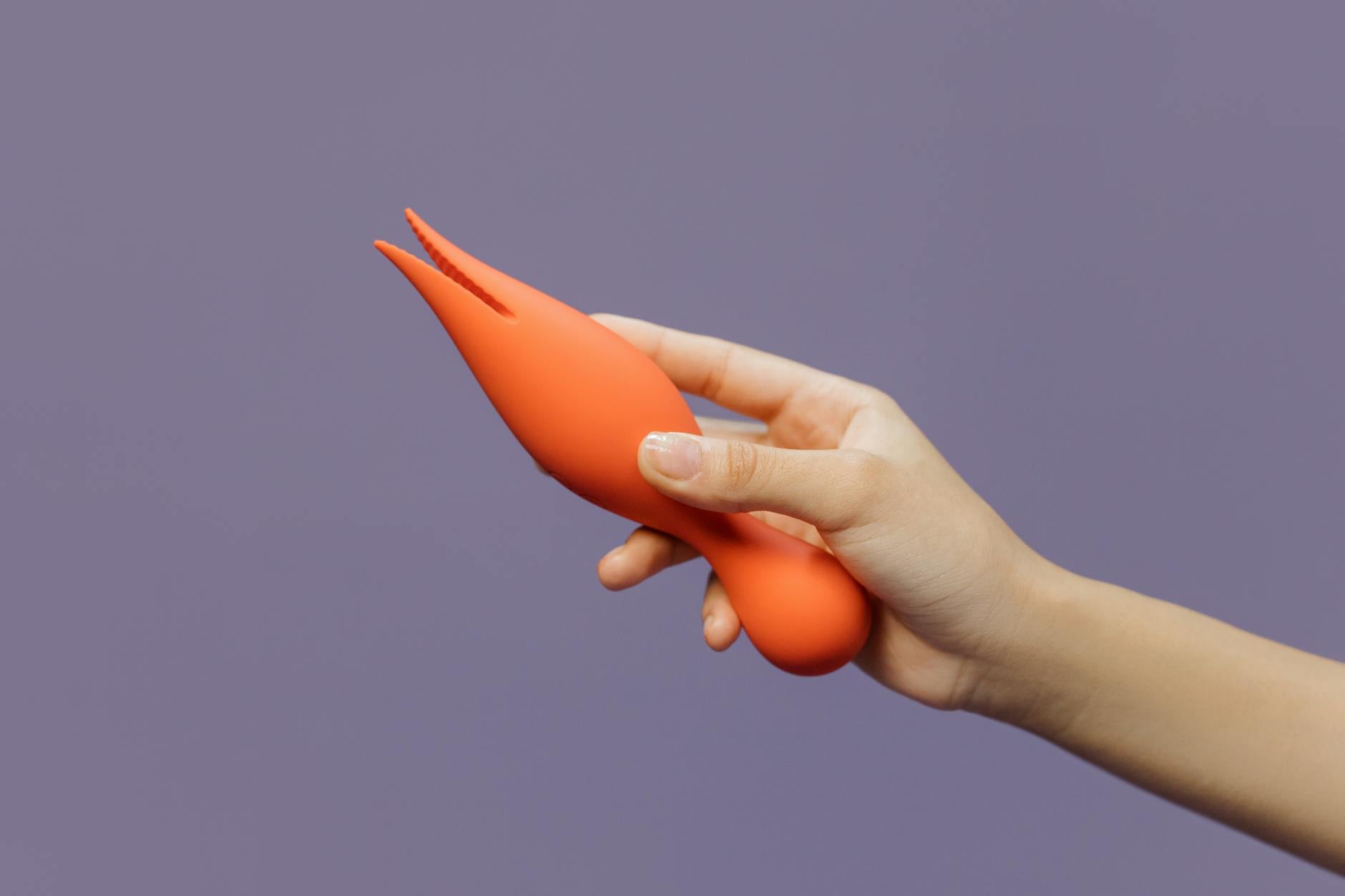
A lemon vibrator, with its gentle air-suction design, works differently than traditional vibrators for vaginismus. Instead of pushing inward and triggering that protective clench, suction stimulates the clitoral complex through gentle external contact. That matters because it means you can build pleasure without fighting your body's natural defense mechanism.
Why vaginismus happens (and why it's not your fault)
Vaginismus develops for reasons beyond your control. Sometimes it follows painful sex, trauma, or surgery. Sometimes it arrives with anxiety or a history of pelvic floor tension. Sometimes there's no clear trigger at all. Your body learned that penetration equals pain, so it locked down. That's actually your nervous system doing exactly what it's designed to do.
The problem is that once that association forms, it gets stronger with every attempt at penetration that causes pain or expectation of pain. Each failure reinforces the pattern. You're not weak or broken. You're dealing with a conditioned response that needs patient, compassionate rewiring.
This is where a lemon vibrator becomes genuinely useful. Because it bypasses the triggering stimulus entirely. You're not working toward penetration. You're building pleasure in a way that doesn't activate that protective clench.
How air-suction stimulation differs from traditional vibrators
Traditional vibrators rely on consistent, sometimes intense, vibration. For people with vaginismus, that intensity can feel threatening. The expectation alone that something is pushing inward can trigger the pelvic floor to tense.
A lemon clitoral vibrator uses pulsing suction. The sensation is gentler, more diffuse, and completely external. Suction creates a gentle pulling sensation rather than pressure pushing inward. That distinction matters neurologically. Your brain processes it as safer, which means your pelvic floor is more likely to stay relaxed.
Here's the second part: suction stimulation doesn't require the same level of direct friction that traditional vibrators do. For people rebuilding trust in their bodies, that reduced mechanical pressure is everything.
Step one: Start with external pleasure only
Forget penetration entirely. That's not the goal right now. Your goal is to prove to your nervous system that your vulva can feel good without threat.
Find a private space where you won't be interrupted. Lie down or recline. Turn on a lemon sucker toy (like the Lemon vibrator) on its lowest setting. Hold it just above the clitoris, about a centimeter away. You're not applying pressure. You're exploring sensation.
This might feel weird at first. You might feel nothing. You might feel a faint tingling. All of that is fine. You're not here to have an orgasm. You're building a new neural pathway: vulva touch equals safety, not threat.
Spend 5-10 minutes here. If your pelvic floor tenses, pause. Take three slow breaths. Come back to it. You're teaching your body that stopping is always an option.
Step two: Build rhythm and confidence
Once touching the external area feels stable and safe, you can play with different patterns on the lemon vibrator. Most devices have 3-5 intensity levels and multiple patterns. Start with pulses rather than sustained suction. Pulses feel less intense and give your nervous system time to process between waves.
Find a rhythm that feels good. This might take multiple sessions. Your job is to find what relaxes your pelvic floor rather than tightens it. That relaxation is the prize.
Many people with vaginismus report that once they experience consistent external pleasure without triggering the clench, their relationship with their own body shifts. You're not fighting anymore. You're cooperating.
If you're partnered, this step is still solo. You're not ready to share the experience yet, and that's wisdom, not selfishness. You need to know what safety feels like in your own nervous system before adding another person's energy into the room.
Step three: Exploring the vulvar vestibule (when you're ready)
The vestibule is the area just inside the vaginal opening, before any penetration happens. It's highly sensitive and often an entry point for expanding sensation. This is where vaginismus can start to shift.
Once external clitoral stimulation feels genuinely pleasurable and non-threatening, you can experiment with very gentle suction on the vestibule area. The key word is gentle. You're not trying to stimulate the vagina itself. You're exploring the threshold.
If you feel a tightening, stop immediately. This isn't about pushing through. It's about finding where safety ends and threat begins, then slowly moving that boundary. That takes sessions, sometimes weeks.
Some people find that once they can touch the vestibule without the pelvic floor clenching, they're already halfway to retraining their nervous system. The clench reflex weakens just from repeated safe contact.
When penetration becomes an option (not a goal)
Penetration should only become part of your exploration when external and vestibular pleasure feel genuinely safe and enjoyable. Not when you think you should want it. When you actually want it.
When you're there, suction toys can actually help because they don't require insertion. If a partner wants to be involved, a lemon vibrator lets them participate in your pleasure without the pressure of penetration looming.
Some people with vaginismus discover that they don't particularly want penetration at all. And that's completely fine. Sexuality is not a journey toward penetration. Penetration is one option among many.
The role of therapy alongside pleasure tools
A lemon vibrator is genuinely useful, but it's not a solo solution. Vaginismus responds best to a combination of approaches: pelvic floor physical therapy (working with a PT trained in vaginismus), sex therapy or counseling, and sometimes cognitive behavioral therapy.
Think of the vibrator as part of your toolkit, not the whole toolkit. Work with a pelvic health PT who can teach you how to consciously relax the pelvic floor. Find a sex therapist or counselor who understands that vaginismus is a nervous system response, not a psychological failure. That combination is what rewires the pattern.
If you're in a relationship, couples therapy focused on sexual health can help both partners understand what's happening and how to support the process without pressure or shame.
Managing shame and setbacks
Rewiring vaginismus takes time, often months. You'll have sessions where the clench comes back unexpectedly, where pleasure vanishes, where you feel like you're failing. You're not. You're dealing with a conditioned response that your nervous system has been reinforcing for potentially years. Patience is not optional.
If you experience pain at any point, stop and call your pelvic floor PT or gynecologist. Pain is information. It means something needs adjustment in your approach.
Many people with vaginismus report that the turning point came not when they forced progress, but when they stopped expecting themselves to be "fixed" by a certain date. When they gave themselves permission to explore pleasure on their body's timeline, everything shifted. Your lemon vibrator is a tool for discovery, not for achievement.
FAQ: Vaginismus and lemon clitoral vibrators
What exactly is vaginismus and how is it different from dyspareunia?
Vaginismus is involuntary pelvic floor muscle tension that makes penetration difficult or impossible. It's a reflex, not a choice. Dyspareunia is pain during sex, which can have many causes: infection, endometriosis, insufficient lubrication, hormonal changes, or yes, vaginismus. You can have vaginismus without pain, or pain without vaginismus. A pelvic health PT can help distinguish between them.
Can I use a lemon vibrator if I haven't been diagnosed officially?
Absolutely. Even if you haven't seen a specialist yet, starting with external gentle stimulation is safe and often helpful. That said, getting evaluated by a pelvic floor physical therapist is important, because sometimes what feels like vaginismus is actually something else that needs different treatment. If you're experiencing pain, see a gynecologist first.
How long does it take to rewire vaginismus with a lemon sucker toy?
There's no fixed timeline. Some people feel a shift in a few weeks of consistent gentle exploration. Others take months. It depends on how long the pattern has been established, whether you're working with a therapist, and how patient you can be with yourself. Consistency matters more than speed.
Is it normal to feel nothing with a lemon vibrator at first?
Completely normal. Your nervous system is hypervigilant about vulvar sensation. It might take multiple sessions for your body to register the sensation as safe and pleasurable rather than threatening. Keep exploring. The feeling will come.
Can a partner help me use a lemon vibrator for vaginismus?
Eventually, yes. But first, you need to experience safety and pleasure on your own terms, in your own body. Once you know what relaxation feels like, sharing that with a partner can deepen connection. But the early work is yours alone. Your nervous system needs to learn trust from you first.
What if I still can't relax the pelvic floor even with a lemon vibrator?
That's information that you need support from a pelvic floor PT. Sometimes the issue is deeper pelvic floor dysfunction that requires targeted physical therapy, biofeedback training, or dilator work alongside pleasure tools. A vibrator is one part of recovery, not the whole picture.
Moving forward
Vaginismus is reversible. People who have lived with years of involuntary pelvic floor tension absolutely can rewire that response and discover genuine pleasure. A lemon vibrator can be part of that journey because it offers safe, non-threatening stimulation that teaches your nervous system something new. But it works best alongside professional support, self-compassion, and patience.
Your body isn't broken. It learned to protect itself. Now you're going to teach it that it's safe to relax. That takes time and consistency, but it's worth every moment.
If you'd like to discuss vaginismus in more depth or need guidance on finding a pelvic health specialist, we're here. Reach out at /contact.