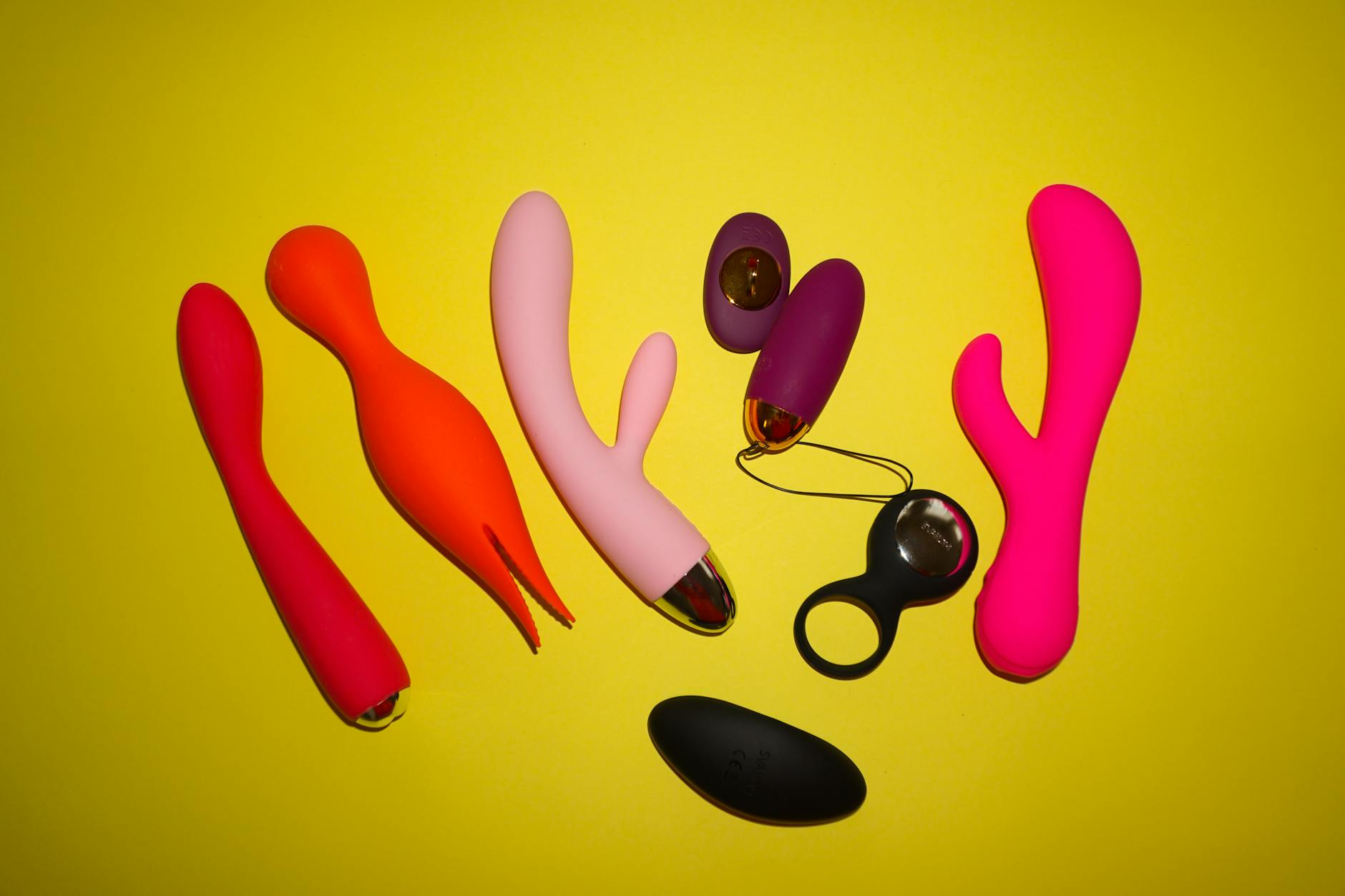
Let's start with the thing nobody tells you
Vulvodynia and pleasure are not mutually exclusive. Most articles about chronic pelvic pain frame sex as something you have to white-knuckle through or give up entirely. That's incomplete. The reality is messier and more hopeful: pain and arousal can coexist, and the right tool, at the right intensity, with the right mindset, can actually feel supportive rather than triggering.
Here's the clinical truth: vulvodynia (chronic vulval pain with no clear infectious or dermatological cause) affects about 16% of people with vulvas at some point in their lives. Many of them think vibrators are off the table. They're not. They just require a different approach.
Why a lemon vibrator can work differently for chronic pelvic pain
Most wand vibrators deliver broad, intense, percussive stimulation. For someone with vulvodynia or generalized pelvic pain, that's often too much too soon. The Lem, by contrast, uses air-pulse suction technology. This matters because:
It stimulates without direct friction. Suction creates a gentle, sealed sensation that doesn't require the same mechanical pressure against sensitive tissue. You're not dragging a vibrating head across inflamed or hypersensitive skin. The stimulation happens through a change in pressure and gentle motion, which many people with chronic pain find less triggering.
It's easier to modulate. The Lem has multiple intensity settings. Most people with vulvodynia can barely tolerate setting 1 on a standard vibrator. With a lemon clitoral vibrator, you have the option to start at the lowest setting and stay there. That granular control is everything.
It doesn't require the same warm-up. Hypervigilance about pain often makes arousal take longer. Suction-based stimulation can sometimes bypass some of that cognitive friction because it feels fundamentally different from the touch that usually precedes a pain flare.
The medical foundation (before you start)
If you have vulvodynia or chronic pelvic pain but haven't worked with a pelvic floor physical therapist, that's your first step. Not instead of pleasure. Before it. A good pelvic floor PT can identify whether your pain is myofascial (muscle tension), neuropathic (nerve-related), or something else. That diagnosis changes everything about how you approach stimulation.
For example: if your pain is driven by pelvic floor tension (very common), a vibrator might actually trigger clenching, which makes pain worse. A PT teaches you to relax your pelvic floor first, which then makes vibration tolerable. If your pain is neuropathic, certain types of input (like suction) feel better than others.
You also need clearance from a gynaecologist who understands vulvodynia. Topical lidocaine, low-dose topical estrogen, or oral medications like amitriptyline or pregabalin change the pain baseline. Some people find that using a lemon vibrator without medication is impossible. With it, it's fine. That's not weakness. That's biomechanics.
The practical framework for using a lemon vibrator with vulvodynia
Start with zero pain expectation. This sounds obvious but it's critical. The cultural narrative around masturbation is that it should feel amazing immediately. If you have chronic pain, that narrative will wreck you. Instead, the goal is neutral sensation or mild pleasure without pain escalation. That's success.
Use setting 1. Stay there. Not for one session. For weeks if needed. Your nervous system is in pain-alert mode. Flooding it with high-intensity stimulation is counterintuitive and often makes things worse. Very gentle, sustained suction at the lowest setting lets your brain learn that this is safe input, not a threat.
Angle matters more than intensity. The Lem's opening can be positioned at different angles. Some people find that angling it slightly off-center feels less direct and less triggering than a head-on approach. Your body will tell you. Listen to it.
Lubrication is non-negotiable. Even if lubrication isn't your issue, use it. Water-based lube on sensitive, inflamed tissue reduces friction and allows the suction to work without the sensation of direct pressure. It also signals to your nervous system that this is a care practice, not a test.
Set a hard time limit. Don't sessions. When someone has chronic pain, the instinct is to chase sensation, to push through mild discomfort hoping it becomes pleasure. That's how you end up in a flare for three days. Use your lemon vibrator for 5 to 10 minutes maximum. Stop before pain appears. Consistency matters more than duration.
The emotional piece that changes everything
Vulvodynia is a whole-body experience. The pain is real, but so is the fear, the avoidance, the grief about your body. Many people with chronic pelvic pain internalize a message that their body is broken or hostile. Reintroducing pleasure requires rewiring that relationship.
Using a vibrator while you have vulvodynia isn't just a mechanical question. It's also asking your nervous system to trust that sensation can be okay. That takes time. It requires patience with yourself that's almost impossible to muster alone.
If you have a partner, this is where that conversation becomes essential. They need to understand that you're not trying to achieve orgasm. You're trying to reclaim neutral sensation in a part of your body that's been sending pain signals. That's profound work, and it deserves to be honoured as such.
When pain means stop (vs. when it's just discomfort)
Here's a useful distinction: pelvic pain often lives on a spectrum. Mild discomfort as you start using a vibrator might be normal. Sharp, burning, or spreading pain is a signal to stop immediately.
If you consistently experience pain with the Lem even at setting 1, you might need:
A check-in with your pelvic floor PT to assess your baseline tension. More aggressive management of your underlying vulvodynia (medication, topical treatment). A different tool altogether (some people with severe vulvodynia do better with external wand vibrators at very low intensity, or with non-vibrating sensation play). The core point is this: if vibration isn't working, that doesn't mean pleasure isn't possible. It just means a lemon clitoral vibrator isn't the right tool for you right now.
Building back sensation after months or years of avoidance
Many people with chronic vulval pain have spent years avoiding any genital touch because it's predictably painful. Your nervous system has learned that this area is a threat zone. Rewiring that takes active, repeated evidence that touch can be safe.
Using a clitoral vibrator becomes a way of sending your nervous system a different message. Not "this is dangerous." Just "this is possible." Start with 5 minutes at setting 1 every third day. No pressure to feel anything. Just exposure. Over weeks, many people find that their nervous system's threat response begins to dial down.
This isn't meditation or positive thinking. It's practical neuroscience. The more your body experiences gentle, non-painful stimulation in a place that used to hurt, the more your brain's threat map for that area begins to change.
FAQ: Vulvodynia, Chronic Pain, and Clitoral Vibrators
Can I use a lemon vibrator if I have neuropathic vulval pain specifically? Maybe. Neuropathic pain (often described as burning, tingling, or electric) responds differently to different types of input. Some people find suction-based vibrators less triggering than percussive ones. Others find that any vibration worsens neuropathic symptoms. Work with a pelvic pain specialist to figure out which type of sensory input your nervous system tolerates best.
Will using a vibrator make my vulvodynia worse? If you approach it wrong, yes. High intensity, long sessions, or pushing through pain can trigger flares. If you approach it right (low intensity, short duration, stopping before pain), most people find that gentle vibration either neutral or slightly beneficial. The key is consistency and restraint, not intensity.
What if I have vulvodynia and pelvic floor dysfunction at the same time? This is actually the most common presentation. In this case, you likely need pelvic floor physical therapy to learn how to relax your pelvic floor first. Once you can voluntarily relax, gentle vibration becomes much more tolerable. Without that foundation, vibration often just triggers more clenching.
How long does it take to feel pleasure again after chronic vulval pain? There's no timeline. For some people, gentle sensation returns in weeks. For others, it takes months or years. The variable isn't the vibrator. It's the severity of your pain, your nervous system's trauma history, whether you're on effective medication, and whether you have good therapeutic support. A lemon vibrator can be part of that journey, but it's not a solo solution.
Can I use a lemon vibrator with my partner if I have vulvodynia? Yes, but it requires explicit communication. Your partner needs to understand that you're not trying to orgasm or "perform." You're trying to build tolerance and reclaim sensation. When you're using a lemon vibrator with your partner, the foundation is always honesty about what your body can handle. This is a place where that principle becomes absolutely critical.
What if the Lem doesn't help and I'm still in pain? A clitoral vibrator is one tool among many. If the Lem doesn't work for you, that's real information. You might have better results with non-vibrating sensation (feathers, ice, massage), with a partner's direct touch, or with no genital stimulation at all for a while. Pleasure is possible for people with vulvodynia, but it might look different than you expected.
The real thing
Vulvodynia steals a lot. It can steal the ease of casual touch, the spontaneity of sex, the sense that your body is a source of pleasure rather than pain. Using a lemon vibrator thoughtfully is one way to begin reclaiming that territory. Not to force yourself back to "normal." Just to remember that sensation, even gentle and slow, is still available.
If you're exploring this and it's hard, that's expected. Chronic pain rewires your nervous system. Rewiring it back takes time, the right tools, and often professional support. You're not doing anything wrong if it takes longer than you'd like. You're doing something brave if you try at all.
Start small. Stay patient. Listen to your body. That's the whole framework. Everything else follows from there.