
Here's the thing nobody tells you about pleasure and new relationships
You had a lemon vibrator. It worked. Your body responded, your pleasure was reliable, the whole experience felt straightforward. Then you meet someone new, move in together, build intimacy, and suddenly the same toy feels muted. Not broken. Just different. Less intense, harder to access, weirdly distant.
You're not imagining it, and your body isn't betraying you. What's happening is neurology, psychology, and relationship dynamics colliding in the space between you and your pleasure.
The nervous system resets when trust is new
Let me back up. Your nervous system has two main modes: sympathetic (fight or flight, high alert) and parasympathetic (rest and digest, safety). Pleasure lives in the parasympathetic system. Full stop. You cannot have an intense orgasm while your nervous system is scanning for threat.
When you're alone, your nervous system is quiet. You've got the lights how you want them, the sound level right, the space familiar. Your body settles. When a new partner arrives, even if you love them, your nervous system is recalibrating. Am I safe here? What if they come home? What if they see? What if I'm loud? These questions run underneath consciousness, and they matter more than you'd think.
With a long-term partner, that nervous system baseline shifts down. You've had sex a thousand times. Your body knows the rhythm. The surprise is gone, which sounds bad until you realize surprise is a form of low-level threat. Once the threat dissolves, pleasure deepens.
A new partner reintroduces novelty, which is not the same as safety. Your lemon vibrator works the same way it always did. Your nervous system is not in the same place.
Attention is a finite resource
This is the part that most people miss. When you're alone with your toy, 100% of your cognitive and sensory attention can go to sensation. You're not managing a person. You're not reading their facial expression, tracking their breathing, wondering if they're getting bored.
The moment a partner is in the picture (whether they're in the room or you're thinking about them), your attention splits. Research in neuroscience shows that divided attention literally dampens arousal and sensation intensity. You feel less because part of your brain is not fully there.
Over time, as the relationship settles and you build trust, that attention begins to consolidate. You're less hypervigilant. Your mind can relax. The lemon vibrator starts to feel like it did before.
This is not a sign that your partner is wrong for you. It's a sign that your nervous system is still learning how to be vulnerable in a new context.
The pleasure of being alone versus the pleasure of connection
Here's something else: the two pleasures are different. Masturbation and partnered sex aren't on the same spectrum. They're different experiences entirely, and they live in different parts of the brain.
Solo pleasure is about pure sensation and your own pace. It's clean. It's selfish in the best way. With a partner present, pleasure becomes entangled with connection. You might feel less intensity because some of that stimulation energy is being routed toward relational feedback. Am I enjoying this with them? Do they feel wanted? Is this what I want right now, or what I think they want?
Neither is better. But when you switch contexts, your brain notices. You might be using the exact same lemon vibrator, but you're not having the same experience because you're not the same nervous system state.
When vulnerability intersects with sensation
Vulnerability and pleasure have a complicated relationship. On one hand, deep pleasure requires you to let your guard down. On the other hand, letting your guard down requires trust that takes time to build.
In the early months of a new relationship, you're still building that trust. You're proving something to yourself about whether it's safe to be fully embodied in front of this person. Even if they've never given you reason to doubt, your body doesn't know that yet. Bodies learn safety slowly.
Add this to the fact that many people grow up with shame around pleasure, and you've got a perfect storm for sensation dulling when someone new is around. Your nervous system is literally prioritizing safety and social evaluation over sensation. This is not a character flaw. This is your nervous system doing exactly what it's designed to do.
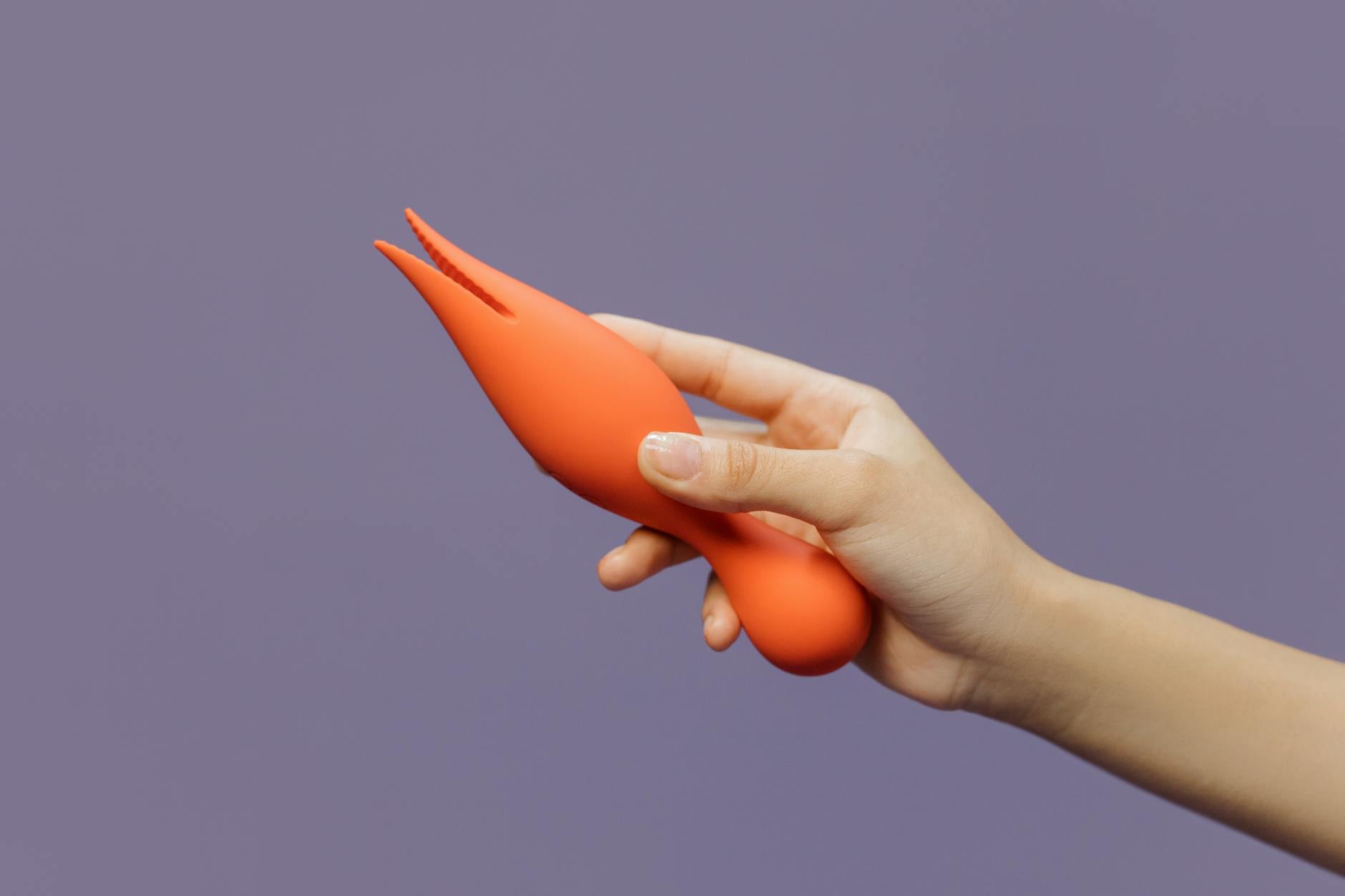
Photo by cottonbro studio on Pexels
What helps: communication, not apology
The reflex is to apologize. "Sorry, I'm not feeling it like I used to." Don't. What you're experiencing is normal, and treating it as a problem creates unnecessary shame.
What actually helps is conversation. Not during sex, not in the moment, but in a regular conversation where you can talk about pleasure without performance pressure. "I've noticed my body takes longer to settle when we're together, and I want you to know it's not about you. It's about how new this still is." That's it. That statement alone can shift the dynamic because now your partner understands you're not rejecting them. You're adjusting.
Second, give your nervous system time. Three months in, it's normal for sensation to feel muted. Six months in, it starts to shift. A year in, most people report that pleasure has actually deepened because they know the person and they know it's safe. You're not broken. You're calibrating.
The role of expectation and pressure
Nothing kills pleasure faster than the belief that pleasure should already be there. When you're newly partnered, there's often a subconscious pressure that sex should be amazing because you care about this person. That pressure is the enemy. It makes your nervous system tense. It makes sensation harder to access.
The most useful frame is this: we're both learning how our bodies work together. There's no baseline. Your lemon vibrator might feel different today and normal tomorrow. That's not a trajectory. That's just Tuesday.
Relationship researcher Esther Pelosky talks about how desire often needs novelty and mystery to thrive, but commitment requires safety and familiarity. When you first get with someone new, you have novelty but not safety. As time passes, you gain safety but can lose novelty. This creates a natural pleasure valley in the first six to twelve months where sensation might feel muted. It's not permanent. It's a phase.
When sensation stays muted (when to actually pay attention)
There's a difference between normal nervous system recalibration and something worth investigating. If sensation hasn't returned after a year, or if pleasure disappeared suddenly and feels connected to how the relationship is actually going, that's different. That might be about safety in the real sense. That might be about respect, boundaries, or whether you actually feel safe with this person.
The distinction matters. If you felt fine for months and pleasure shifted when your partner started dismissing your needs, that's not nervous system adjustment. That's your body telling you something about the relationship itself.
But if you're a few months in and sensation feels quieter? That's your nervous system learning. Give it time. And if you want to reconnect with your lemon vibrator solo while you're in a partnership, that's not a problem either. Solo pleasure and partnered pleasure can coexist. Your body isn't betraying you by responding differently to different contexts.
How to help your nervous system settle faster
A few practical things: foreplay matters more with a new partner, not less. Your nervous system needs time to shift modes. Twenty minutes of kissing and touch before anything else isn't wasting time. It's giving your parasympathetic system a runway to land.
Second, consistency builds safety. Same time, regular rhythm, predictable touch. Your nervous system loves patterns. They signal safety. If sex is sporadic and charged with anxiety, your body stays in sympathetic mode.
Third, separate solo pleasure from partnered pleasure in your mind. Using your lemon vibrator by yourself while building a new relationship isn't cheating. It's not a sign the relationship is wrong. It's self-care. It's you maintaining connection to your own pleasure while you're learning a new kind of pleasure with someone else.
Fourth, get curious instead of afraid. "I notice this feels different. Let's figure out what helps." That turns a potential shame spiral into a collaborative experiment. Most people respond to that energy.
People also ask
Why does my lemon vibrator feel less intense after I've been with my partner?
Your nervous system is in a different state. When you're alone, you're fully parasympathetic (relaxed). With a new partner, your nervous system is still calibrating safety. Part of your attention is on relational feedback instead of pure sensation. This is normal and temporary. As the relationship settles and trust deepens, sensation usually returns. If it hasn't after a year, it might be worth exploring whether you feel genuinely safe with the person.
Is it normal to have less pleasure with a new partner than alone?
Completely normal. Masturbation and partnered pleasure are different experiences that involve different neural pathways. Being alone is clean sensation. With a partner, pleasure becomes entangled with connection, vulnerability, and relational awareness. Neither is better, but they're genuinely different. Most people find that over time, partnered pleasure deepens even if solo sensation feels initially muted.
How long does it take for pleasure to feel normal again with a new partner?
It varies, but most people notice a shift between three and six months. Real deepening often happens around the one-year mark. However, if pleasure stays completely absent after a year, or if it disappeared suddenly when something changed in the relationship, that's worth examining. Sometimes our body is telling us something real about safety or respect.
Should I tell my new partner my pleasure feels different?
Yes, but frame it correctly. Instead of "I'm not feeling it like I used to," try "My body takes longer to settle when we're together, and I want you to know it's not about you. I'm getting comfortable." This removes shame and helps them understand you're not rejecting them. It also often opens up better conversations about what both of you actually need.
Can I still use my lemon vibrator solo while I'm with a new partner?
Absolutely. Solo pleasure and partnered pleasure don't compete. Using your lemon vibrator by yourself is self-care and helps you maintain connection to your own body while you're learning new forms of pleasure with someone else. It's not infidelity. It's maintenance.
What if my pleasure never comes back with my new partner?
If sensation hasn't returned after a full year of building the relationship, or if pleasure disappeared when something real shifted (respect, boundaries, safety), that's worth examining. Sometimes our body is protecting us from a situation that isn't actually safe. Other times, it's worth talking to a therapist about what beliefs or trauma might be blocking pleasure. But if the relationship is solid and time is passing, your nervous system usually catches up.
The thing about pleasure and time
Your lemon vibrator doesn't change. Your nervous system does. New relationships ask your body to learn safety in a new context. That takes time. Three months is still very new. Six months is still calibrating. A year is when most people report that pleasure has actually deepened because they know the person and it's safe to fully land.
You're not broken. Your body isn't betraying you. You're exactly where you're supposed to be. If you want support navigating pleasure in a new relationship, we're here to help.